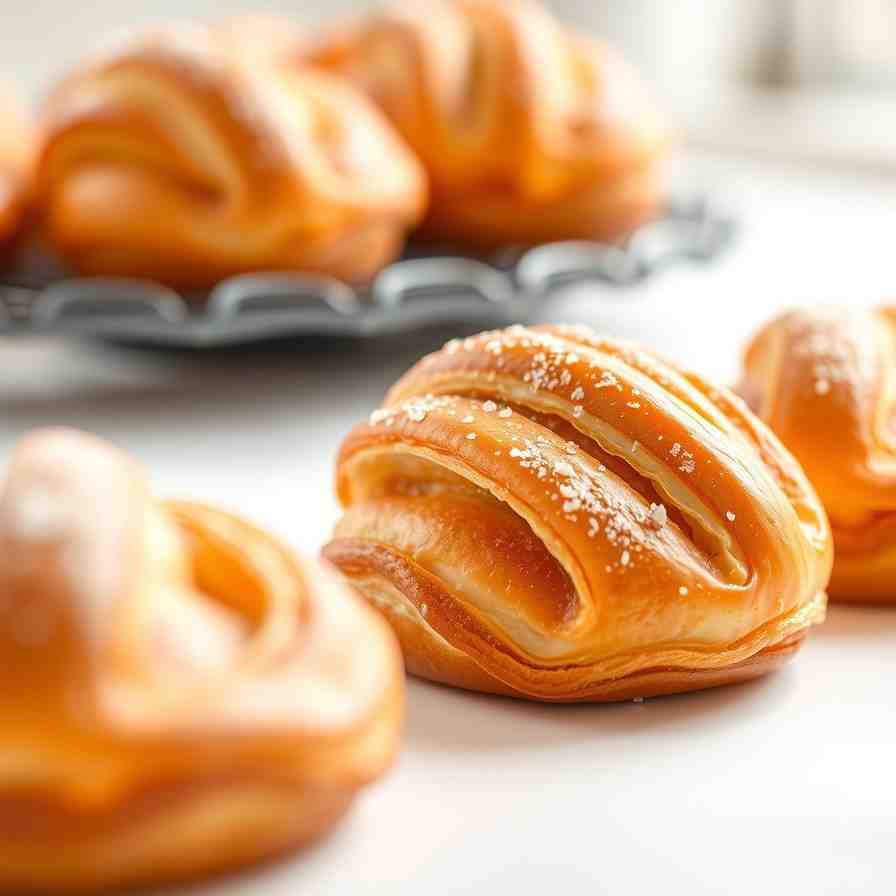
Ivorian Garba - Ways to Cook Tuna Steaks & Attiéké
Ivorian Garba - Ways to Cook Tuna Steaks & Attiéké


- Serves: 4 People
- Prepare Time: 25 minutes
- Cooking Time: 30 minutes
- Calories: -
- Difficulty: Medium
Welcome to the vibrant culinary world of Côte d'Ivoire, where street food reigns supreme and flavor is king! Today, we're diving into the heart of Ivorian cuisine with Garba – a beloved, humble, yet incredibly satisfying dish that's a staple for students, workers, and anyone craving a taste of home. Garba is more than just a meal; it's a cultural icon, often enjoyed with friends and family, hands-on, directly from a street stall.
At its core, Garba combines fluffy attiéké (fermented cassava semolina) with perfectly crispy fried tuna steaks and a fresh, zesty tomato-onion-chili garnish. It's a symphony of textures and flavors – tangy, savory, and with just the right kick of spice. This isn't just about a recipe; it's about understanding the soul of Ivorian street food.
In this definitive guide, you’ll learn the authentic ways to cook tuna steaks to a golden crisp, prepare fluffy attiéké that's infused with flavor, and create a simple yet essential fried tomatoes recipe that brings everything together. We'll cover everything from choosing the best seafood to practical cooking with seafood techniques, ensuring your Garba is as authentic and delicious as if you bought it from a "garbatigui" vendor in Abidjan. Plus, we'll even share a clever shortcut using tuna from the can for those days you need a quick fix, ensuring you can still enjoy these incredible flavors. Get ready to embark on a truly authentic West African culinary journey!
Ingredients
Directions
- Roma Tomatoes:
- 2-3 medium, firm, diced.
- Red Onion: ½ medium, finely diced.
- Fresh Hot Chili: 1 small (Scotch bonnet, habanero, or your preferred substitute), finely chopped (adjust to your spice preference).
- Neutral Oil: 1 tablespoon.
- Vinegar or Citrus Juice: ½ teaspoon (lemon or lime), optional, for brightness.
- Salt: ¼ teaspoon, to taste.
- Quick Notes on Ingredients:For truly authentic Garba, fresh tuna steaks, attiéké, and a hot chili are non-negotiable. The stock cube and optional pepper are nice additions but the core flavor comes from the fried tuna and fresh vegetables.
- Authentic Ivorian Garba Step-by-Step InstructionsFollow these steps to create a delicious and authentic Garba experience right in your kitchen.
- Season the Tuna SteaksPat the tuna steaks very dry with paper towels. Generously rub them with salt on all sides. If desired, add a sprinkle of black pepper. Let them rest on a plate while you prepare the attiéké and garnish. This short rest allows the salt to penetrate and seasons the fish throughout, helping it stay moist.
- Prepare and Steam-Fluff the AttiékéIf using attiéké granules, break up any clumps. If using a compressed ball, gently separate the grains. Place the attiéké in a microwave-safe bowl with ½ cup of water. Cover and microwave on high for 2-3 minutes, or steam in a steamer basket over simmering water for 5-7 minutes, until hot and fluffy. Once cooked, transfer to a serving bowl. Mix in the crumbled stock cube, ¼ teaspoon of salt, and a spoon or two of the reserved fish oil (or neutral oil) until well combined. Fluff with a fork.
- Make the Tomato–Onion–Chili Topping (Fried Tomatoes Section)In a small skillet, heat 1 tablespoon of neutral oil over medium heat. Add the diced tomatoes, diced red onion, and finely chopped chili. Sauté for 5-7 minutes, stirring occasionally, until the tomatoes just begin to soften and their edges show a slight caramelization. Season with salt. For a brighter flavor, you can add an optional squeeze of lemon or lime juice at the end. If you prefer a fresher, more raw-ish garnish like often served on the street, cook for less time, just until warmed through, or even serve some raw.
- Dredge and Fry the Tuna Steaks (Search Intent: Discover Ways to Cook Tuna Steaks)Pour the neutral frying oil into a wide, heavy skillet or deep pot, to a depth of about 1-1.5 inches. Heat the oil over medium-high heat until it reaches about 350-375°F (175-190°C). You can test the oil by dropping a small breadcrumb into it – it should bubble immediately but not smoke.Lightly coat each seasoned tuna steak in flour, shaking off any excess. Carefully lower the floured tuna steaks into the hot oil. Fry for 3-5 minutes per side, depending on thickness, until they are deep golden brown and crispy on the outside, and just cooked through to your liking. For juicy tuna, aim for medium-rare to medium.When done, transfer the fried tuna to a wire rack set over paper towels to drain excess oil. Reserve about 2-3 tablespoons of the flavorful frying oil for the attiéké and garnish.
- Tuna Troubleshooting:
- Too dry? Reduce cooking time, lower the heat slightly, or use thicker pieces of tuna next time.
- Falling apart? Ensure the tuna is patted very dry before seasoning and flouring. Avoid flipping too often; let a good crust form before turning.
- Assemble the Garba Plate (Search Intent: Understand Authentic Garba)Mound the fluffy attiéké onto individual plates or a communal shallow bowl. Nestle the crispy fried tuna steaks on top of the attiéké. Spoon a generous amount of the fried tomato–onion–chili garnish over and around the tuna. For that truly authentic Garba flavor, drizzle a bit of the reserved fish oil over the entire dish.In Abidjan, Garba is typically eaten with your hands, often shared among friends. There’s no need for complicated garnishing – the simplicity is part of its charm!
Ivorian Garba - Ways to Cook Tuna Steaks & Attiéké

- Serves: 4 People
- Prepare Time: 25 minutes
- Cooking Time: 30 minutes
- Calories: -
- Difficulty: Medium
Welcome to the vibrant culinary world of Côte d'Ivoire, where street food reigns supreme and flavor is king! Today, we're diving into the heart of Ivorian cuisine with Garba – a beloved, humble, yet incredibly satisfying dish that's a staple for students, workers, and anyone craving a taste of home. Garba is more than just a meal; it's a cultural icon, often enjoyed with friends and family, hands-on, directly from a street stall.
At its core, Garba combines fluffy attiéké (fermented cassava semolina) with perfectly crispy fried tuna steaks and a fresh, zesty tomato-onion-chili garnish. It's a symphony of textures and flavors – tangy, savory, and with just the right kick of spice. This isn't just about a recipe; it's about understanding the soul of Ivorian street food.
In this definitive guide, you’ll learn the authentic ways to cook tuna steaks to a golden crisp, prepare fluffy attiéké that's infused with flavor, and create a simple yet essential fried tomatoes recipe that brings everything together. We'll cover everything from choosing the best seafood to practical cooking with seafood techniques, ensuring your Garba is as authentic and delicious as if you bought it from a "garbatigui" vendor in Abidjan. Plus, we'll even share a clever shortcut using tuna from the can for those days you need a quick fix, ensuring you can still enjoy these incredible flavors. Get ready to embark on a truly authentic West African culinary journey!
Ingredients
Directions
- Roma Tomatoes:
- 2-3 medium, firm, diced.
- Red Onion: ½ medium, finely diced.
- Fresh Hot Chili: 1 small (Scotch bonnet, habanero, or your preferred substitute), finely chopped (adjust to your spice preference).
- Neutral Oil: 1 tablespoon.
- Vinegar or Citrus Juice: ½ teaspoon (lemon or lime), optional, for brightness.
- Salt: ¼ teaspoon, to taste.
- Quick Notes on Ingredients:For truly authentic Garba, fresh tuna steaks, attiéké, and a hot chili are non-negotiable. The stock cube and optional pepper are nice additions but the core flavor comes from the fried tuna and fresh vegetables.
- Authentic Ivorian Garba Step-by-Step InstructionsFollow these steps to create a delicious and authentic Garba experience right in your kitchen.
- Season the Tuna SteaksPat the tuna steaks very dry with paper towels. Generously rub them with salt on all sides. If desired, add a sprinkle of black pepper. Let them rest on a plate while you prepare the attiéké and garnish. This short rest allows the salt to penetrate and seasons the fish throughout, helping it stay moist.
- Prepare and Steam-Fluff the AttiékéIf using attiéké granules, break up any clumps. If using a compressed ball, gently separate the grains. Place the attiéké in a microwave-safe bowl with ½ cup of water. Cover and microwave on high for 2-3 minutes, or steam in a steamer basket over simmering water for 5-7 minutes, until hot and fluffy. Once cooked, transfer to a serving bowl. Mix in the crumbled stock cube, ¼ teaspoon of salt, and a spoon or two of the reserved fish oil (or neutral oil) until well combined. Fluff with a fork.
- Make the Tomato–Onion–Chili Topping (Fried Tomatoes Section)In a small skillet, heat 1 tablespoon of neutral oil over medium heat. Add the diced tomatoes, diced red onion, and finely chopped chili. Sauté for 5-7 minutes, stirring occasionally, until the tomatoes just begin to soften and their edges show a slight caramelization. Season with salt. For a brighter flavor, you can add an optional squeeze of lemon or lime juice at the end. If you prefer a fresher, more raw-ish garnish like often served on the street, cook for less time, just until warmed through, or even serve some raw.
- Dredge and Fry the Tuna Steaks (Search Intent: Discover Ways to Cook Tuna Steaks)Pour the neutral frying oil into a wide, heavy skillet or deep pot, to a depth of about 1-1.5 inches. Heat the oil over medium-high heat until it reaches about 350-375°F (175-190°C). You can test the oil by dropping a small breadcrumb into it – it should bubble immediately but not smoke.Lightly coat each seasoned tuna steak in flour, shaking off any excess. Carefully lower the floured tuna steaks into the hot oil. Fry for 3-5 minutes per side, depending on thickness, until they are deep golden brown and crispy on the outside, and just cooked through to your liking. For juicy tuna, aim for medium-rare to medium.When done, transfer the fried tuna to a wire rack set over paper towels to drain excess oil. Reserve about 2-3 tablespoons of the flavorful frying oil for the attiéké and garnish.
- Tuna Troubleshooting:
- Too dry? Reduce cooking time, lower the heat slightly, or use thicker pieces of tuna next time.
- Falling apart? Ensure the tuna is patted very dry before seasoning and flouring. Avoid flipping too often; let a good crust form before turning.
- Assemble the Garba Plate (Search Intent: Understand Authentic Garba)Mound the fluffy attiéké onto individual plates or a communal shallow bowl. Nestle the crispy fried tuna steaks on top of the attiéké. Spoon a generous amount of the fried tomato–onion–chili garnish over and around the tuna. For that truly authentic Garba flavor, drizzle a bit of the reserved fish oil over the entire dish.In Abidjan, Garba is typically eaten with your hands, often shared among friends. There’s no need for complicated garnishing – the simplicity is part of its charm!
You may also like

Hey there! I’m just someone who seriously loves good food and believes that cooking doesn’t have to be complicated to be amazing. Whether it’s a quick weeknight dinner or a cozy weekend meal, I’m all about sharing easy, tasty recipes that actually work.