Kwanga - Easy Vegan African Cassava Baton Recipe
Kwanga - Easy Vegan African Cassava Baton Recipe
- Serves: 6 People
- Prepare Time: 45 minutes
- Cooking Time: 90 minutes
- Calories: -
- Difficulty: Medium
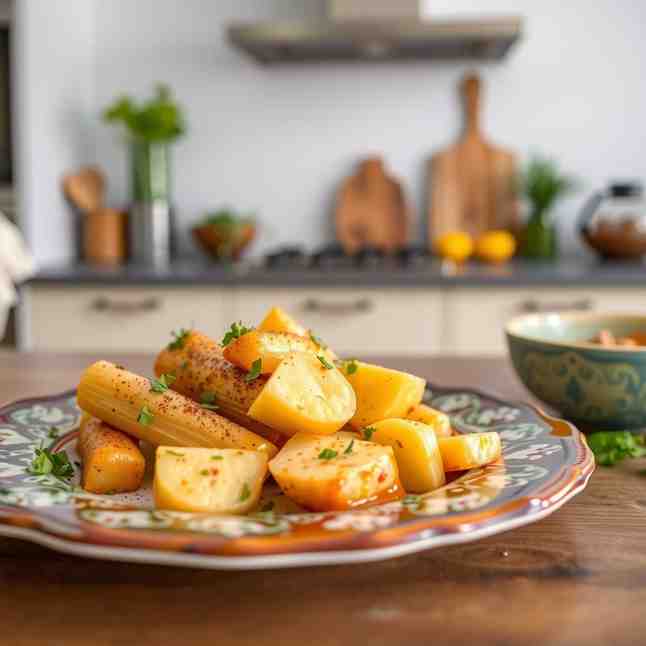
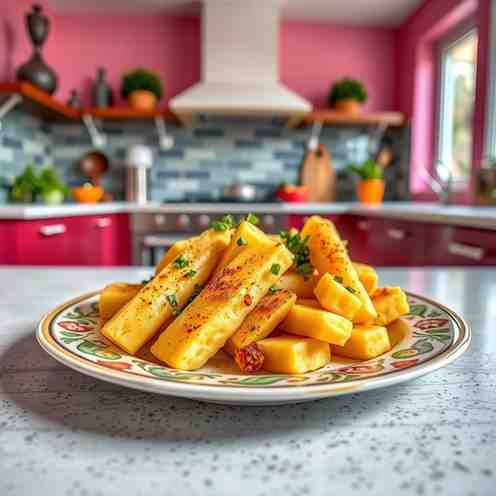
Welcome to the heart of Central African cuisine! Today, we're diving into the delicious world of Kwanga (Chikwangue), a staple food that's as fascinating to make as it is delightful to eat. Imagine a naturally vegan and gluten-free "bread" made from fermented cassava, wrapped neatly in banana leaves, and steamed to perfection. This low-fat, high-energy side dish is a cornerstone of meals across the Democratic Republic of Congo and its neighbors, often gracing tables alongside rich stews and grilled delicacies. Whether you're a seasoned chef looking for authentic African cuisine recipes or a beginner eager to explore healthy vegan recipes from around the globe, this easy healthy vegan meal guide will walk you through every step to create your own bouncy, tangy cassava batons right in your kitchen. Get ready to impress your taste buds and discover a truly unique African food recipe!
Ingredients
Directions
- 1. Peel, Soak & Ferment the CassavaPeel & Chunk: Using a sharp knife and peeler, carefully peel the tough brown skin from the cassava roots. Once peeled, cut the white flesh into 2-3 inch (5-7 cm) chunks. If you see a woody, fibrous core running through the center of any piece, remove it.
- Soak for Fermentation: Place all the cassava chunks into a large, clean bowl or bucket. Pour enough fresh water over them to completely submerge all the cassava (about 8-10 cups). If the cassava floats, you can place a clean plate or a small, heavy object on top to keep it submerged.
- Ferment: Leave the bowl at room temperature (ideally 70-80°F / 21-27°C) for 3-5 days.
- Changing Water: On day 2 or 3, you might notice the water becoming cloudy or developing a slightly sour smell. It's a good idea to carefully drain the old water and replace it with fresh water to ensure clean fermentation and prevent overly strong odors.
- Sensory Cues: The cassava is ready when it feels noticeably softer and slightly spongy to the touch, and it has a mild, pleasant tangy aroma – like sourdough or yogurt. If you detect any strong, rotten, or moldy smell, or see any visible mold, discard those pieces immediately.
- 2. Remove Fibers & Blend to a Smooth Paste
- Drain & Inspect: Once fermented, drain the water from the cassava. Pick up each piece, split it lengthwise, and carefully remove any remaining tough, stringy fibers that run through the center. Discard any pieces that still look or smell off.
- Blend to Paste: Working in batches, place the fermented, de-fibered cassava into a blender. Add just enough fresh water (start with about ½ cup per batch) to help the blender blades move. Blend until you achieve a thick, completely smooth, lump-free paste. The goal is a consistency similar to thick pancake batter or soft mashed potatoes. Avoid over-blending, which can make the paste too thin.
- 3. Drain the Cassava Paste
- Set up for Draining: Line a large fine-mesh sieve with a clean, thin kitchen towel or cheesecloth. Place the sieve over a large bowl to catch the liquid.
- Drain the Paste: Pour the blended cassava paste into the cloth-lined sieve. Gather the edges of the cloth, twist them together, and squeeze firmly to press out as much excess water as possible.
- Achieve Malleable Dough: Continue squeezing and letting it drain for 1-2 hours, or until you have a firm, malleable dough that is moist but no longer dripping wet. The texture should be like playdough – pliable and able to hold its shape.
- 4. Pre-Steam a Portion of the Dough (For Texture)
- Pre-Steam a Portion: Take about one-third of your drained cassava dough. Form it into a small, loose ball and wrap it in a small piece of banana leaf, foil, or a clean cloth.
- Steam Briefly: Place this small bundle into a steamer basket over simmering water. Cover and steam for 10-15 minutes, or just until it feels hot and slightly firm.
- Knead Together: Remove the pre-steamed portion, unwrap it, and immediately add it back to the larger batch of raw, drained cassava dough. Knead both together thoroughly by hand until they are completely combined, smooth, and uniform in texture. This crucial step helps create the characteristic bouncy, elastic texture of Kwanga and also speeds up the final cooking process.
- 5. Shape & Wrap the Batons
- Divide Dough: Divide the kneaded dough into 6-8 equal portions.
- Shape Batons: Take each portion and roll it between your palms or on a clean surface to form a smooth, uniform log or baton shape, about 6-8 inches (15-20 cm) long and 1.5-2 inches (4-5 cm) in diameter.
- Wrap Tightly:
- Banana Leaves: Lay a softened banana leaf flat. Place a cassava baton near one edge, then roll it up tightly, folding in the ends like a burrito. Secure the ends by tying them with kitchen string or twine.
- Foil/Corn Husks: If using foil, place the baton in the center, roll it up tightly, and twist the ends firmly to seal.
- Importance of Tight Wrapping: Ensure each baton is wrapped snugly. This helps the Kwanga cook evenly, maintain its shape, and allows for neat, clean slices later.
- 6. Steam Until Firm & Sliceable
- Set up Steamer: Arrange the wrapped cassava batons in a steamer basket or on a rack inside a large pot. Add about 2-3 inches (5-7 cm) of water to the bottom of the pot, ensuring the water level is below the batons.
- Steam: Bring the water to a gentle boil, then cover the pot tightly. Steam the Kwanga batons for 60-90 minutes.
- Check for Doneness:
- When pressed, a cooked baton should feel firm but still have a slight springiness.
- For a definitive check, carefully unwrap one end of a baton and slice off a thin piece. It should be smooth, translucent, and firm throughout, with no raw, chalky, or soft pockets. If it's not ready, re-wrap and continue steaming.
- Rest & Serve: Once cooked, remove the batons from the steamer and let them rest for 5-10 minutes. Unwrap, slice into rounds or desired shapes, and serve warm.
Kwanga - Easy Vegan African Cassava Baton Recipe
- Serves: 6 People
- Prepare Time: 45 minutes
- Cooking Time: 90 minutes
- Calories: -
- Difficulty: Medium
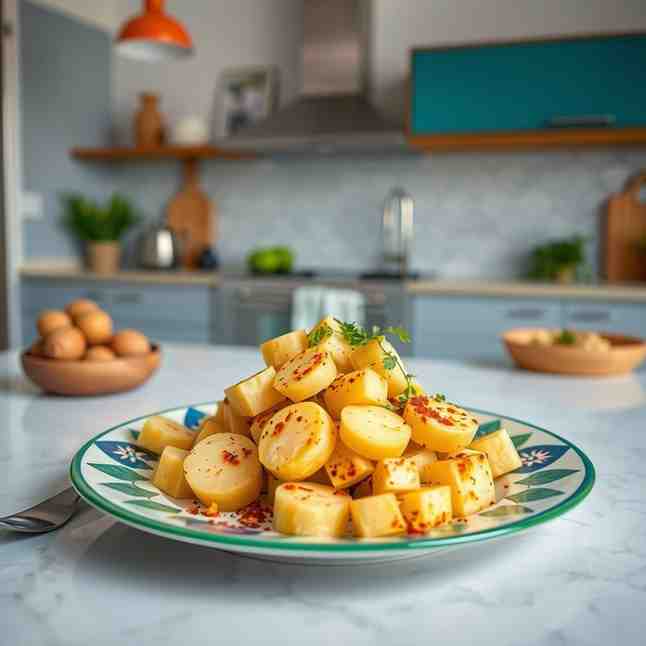
Welcome to the heart of Central African cuisine! Today, we're diving into the delicious world of Kwanga (Chikwangue), a staple food that's as fascinating to make as it is delightful to eat. Imagine a naturally vegan and gluten-free "bread" made from fermented cassava, wrapped neatly in banana leaves, and steamed to perfection. This low-fat, high-energy side dish is a cornerstone of meals across the Democratic Republic of Congo and its neighbors, often gracing tables alongside rich stews and grilled delicacies. Whether you're a seasoned chef looking for authentic African cuisine recipes or a beginner eager to explore healthy vegan recipes from around the globe, this easy healthy vegan meal guide will walk you through every step to create your own bouncy, tangy cassava batons right in your kitchen. Get ready to impress your taste buds and discover a truly unique African food recipe!
Ingredients
Directions
- 1. Peel, Soak & Ferment the CassavaPeel & Chunk: Using a sharp knife and peeler, carefully peel the tough brown skin from the cassava roots. Once peeled, cut the white flesh into 2-3 inch (5-7 cm) chunks. If you see a woody, fibrous core running through the center of any piece, remove it.
- Soak for Fermentation: Place all the cassava chunks into a large, clean bowl or bucket. Pour enough fresh water over them to completely submerge all the cassava (about 8-10 cups). If the cassava floats, you can place a clean plate or a small, heavy object on top to keep it submerged.
- Ferment: Leave the bowl at room temperature (ideally 70-80°F / 21-27°C) for 3-5 days.
- Changing Water: On day 2 or 3, you might notice the water becoming cloudy or developing a slightly sour smell. It's a good idea to carefully drain the old water and replace it with fresh water to ensure clean fermentation and prevent overly strong odors.
- Sensory Cues: The cassava is ready when it feels noticeably softer and slightly spongy to the touch, and it has a mild, pleasant tangy aroma – like sourdough or yogurt. If you detect any strong, rotten, or moldy smell, or see any visible mold, discard those pieces immediately.
- 2. Remove Fibers & Blend to a Smooth Paste
- Drain & Inspect: Once fermented, drain the water from the cassava. Pick up each piece, split it lengthwise, and carefully remove any remaining tough, stringy fibers that run through the center. Discard any pieces that still look or smell off.
- Blend to Paste: Working in batches, place the fermented, de-fibered cassava into a blender. Add just enough fresh water (start with about ½ cup per batch) to help the blender blades move. Blend until you achieve a thick, completely smooth, lump-free paste. The goal is a consistency similar to thick pancake batter or soft mashed potatoes. Avoid over-blending, which can make the paste too thin.
- 3. Drain the Cassava Paste
- Set up for Draining: Line a large fine-mesh sieve with a clean, thin kitchen towel or cheesecloth. Place the sieve over a large bowl to catch the liquid.
- Drain the Paste: Pour the blended cassava paste into the cloth-lined sieve. Gather the edges of the cloth, twist them together, and squeeze firmly to press out as much excess water as possible.
- Achieve Malleable Dough: Continue squeezing and letting it drain for 1-2 hours, or until you have a firm, malleable dough that is moist but no longer dripping wet. The texture should be like playdough – pliable and able to hold its shape.
- 4. Pre-Steam a Portion of the Dough (For Texture)
- Pre-Steam a Portion: Take about one-third of your drained cassava dough. Form it into a small, loose ball and wrap it in a small piece of banana leaf, foil, or a clean cloth.
- Steam Briefly: Place this small bundle into a steamer basket over simmering water. Cover and steam for 10-15 minutes, or just until it feels hot and slightly firm.
- Knead Together: Remove the pre-steamed portion, unwrap it, and immediately add it back to the larger batch of raw, drained cassava dough. Knead both together thoroughly by hand until they are completely combined, smooth, and uniform in texture. This crucial step helps create the characteristic bouncy, elastic texture of Kwanga and also speeds up the final cooking process.
- 5. Shape & Wrap the Batons
- Divide Dough: Divide the kneaded dough into 6-8 equal portions.
- Shape Batons: Take each portion and roll it between your palms or on a clean surface to form a smooth, uniform log or baton shape, about 6-8 inches (15-20 cm) long and 1.5-2 inches (4-5 cm) in diameter.
- Wrap Tightly:
- Banana Leaves: Lay a softened banana leaf flat. Place a cassava baton near one edge, then roll it up tightly, folding in the ends like a burrito. Secure the ends by tying them with kitchen string or twine.
- Foil/Corn Husks: If using foil, place the baton in the center, roll it up tightly, and twist the ends firmly to seal.
- Importance of Tight Wrapping: Ensure each baton is wrapped snugly. This helps the Kwanga cook evenly, maintain its shape, and allows for neat, clean slices later.
- 6. Steam Until Firm & Sliceable
- Set up Steamer: Arrange the wrapped cassava batons in a steamer basket or on a rack inside a large pot. Add about 2-3 inches (5-7 cm) of water to the bottom of the pot, ensuring the water level is below the batons.
- Steam: Bring the water to a gentle boil, then cover the pot tightly. Steam the Kwanga batons for 60-90 minutes.
- Check for Doneness:
- When pressed, a cooked baton should feel firm but still have a slight springiness.
- For a definitive check, carefully unwrap one end of a baton and slice off a thin piece. It should be smooth, translucent, and firm throughout, with no raw, chalky, or soft pockets. If it's not ready, re-wrap and continue steaming.
- Rest & Serve: Once cooked, remove the batons from the steamer and let them rest for 5-10 minutes. Unwrap, slice into rounds or desired shapes, and serve warm.
You may also like


Hey there! I’m just someone who seriously loves good food and believes that cooking doesn’t have to be complicated to be amazing. Whether it’s a quick weeknight dinner or a cozy weekend meal, I’m all about sharing easy, tasty recipes that actually work.