
Algerian Mint Green Tea - Refreshing & Easy
Algerian Mint Green Tea - Refreshing & Easy
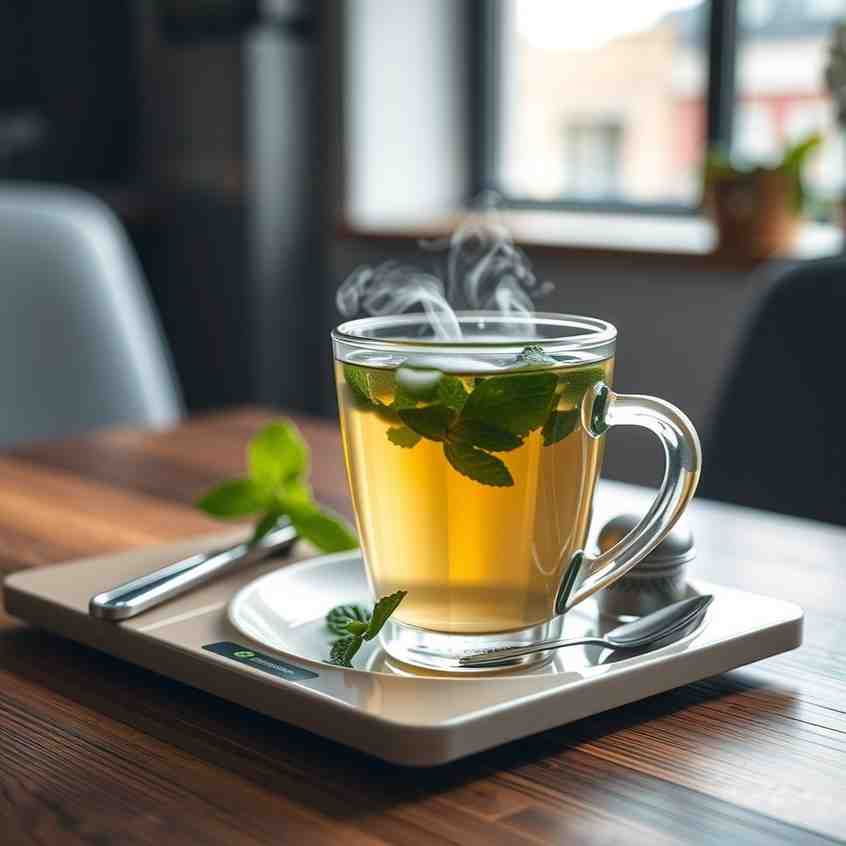
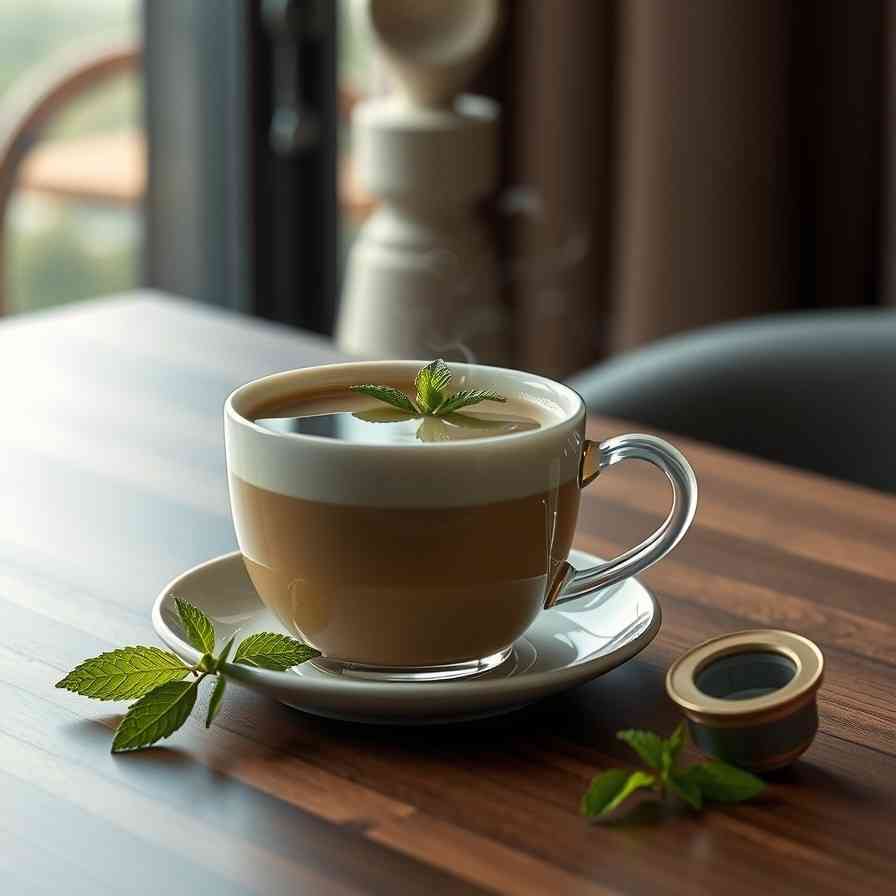
- Serves: 4 People
- Prepare Time: 10 minutes
- Cooking Time: 10 minutes
- Calories: -
- Difficulty: Easy
Welcome to the heart of North African hospitality, where every sip of Algerian mint green tea tells a story! Forget complicated rituals or bitter disappointments; this guide is your passport to mastering the art of a truly refreshing and traditional mint tea. We’re diving deep into the secrets of creating an authentic brew that balances the robust notes of green tea with the vibrant freshness of mint and the perfect touch of sweetness, all while sidestepping any common pitfalls.
Algerian mint tea, a beloved staple across the Maghreb region (including Morocco and Tunisia), is more than just a drink; it's a symbol of welcoming guests and everyday connection. While often compared to its Moroccan cousin, Algerian mint tea holds its own unique charm, typically featuring a strong green tea base, generous fresh mint, and a distinctive sweetness, sometimes enhanced by a hint of orange blossom water. This isn't your average herbal infusion; it's a full-bodied experience! You'll learn how it differs from Moroccan Atay and even Egyptian/Arabic black tea with mint, ensuring you appreciate its specific character. By the end of this, you’ll be able to make café-style Algerian mint tea at home without the bitterness, ready to share with friends or savor in quiet moments.
Here’s why you’ll absolutely love making this recipe:
It’s ready in about 10–15 minutes, perfect for an impromptu treat.
You’ll achieve that classic Algerian flavor with green tea, mint, and an optional hint of orange blossom.
Our simple method ensures a smooth, non-bitter brew every time.
It's incredibly easy to scale up when you have guests!
Ingredients
Directions
- Prep the Mint and Teapot:
- Gently strip the fresh mint leaves from their stems. Rinse them under cold water if needed and pat dry. Set aside.
- Warm your teapot by pouring a splash of boiling water into it, swirling it around, then discarding the water. This helps maintain the tea's temperature.
- Rinse the Tea Leaves:
- Add the gunpowder green tea leaves to your warmed teapot (or a small saucepan if your teapot isn't stovetop safe).
- Pour in just enough boiling water (about 1/4 cup) to cover the tea leaves. Swirl it around for about 10-15 seconds, then carefully discard this water. This quick rinse removes dust and reduces any potential bitterness from the green tea.
- Brew the Base Tea:
- To the rinsed tea leaves in the teapot, add 3 cups of fresh boiling water.
- If using a stovetop-safe teapot, you can briefly simmer it for about 1-2 minutes over low heat. Otherwise, let it steep off the heat for 3-5 minutes. The liquid should develop a rich, amber color.
- Add Mint and Orange Blossom:
- Turn off the heat (if simmering).
- Add the prepared large handful of fresh mint leaves to the teapot. If using, add 1 teaspoon of orange blossom water.
- Cover the teapot and let it steep for another 5-7 minutes. The tea's color will deepen further, and the aroma of mint will become prominent.
- Sweeten:
- Add the granulated sugar (or sugar cubes) directly to the pot.
- To dissolve the sugar and create the traditional frothy top, you can gently stir, or for a more authentic method, pour a small amount of tea into a glass, then back into the pot, repeating a few times. This helps mix the sugar thoroughly.
- Strain and Pour with Foam:
- Place a fine mesh strainer over your small tea glasses or clear cups.
- Pour the tea from the teapot, through the strainer, into the glasses. This is crucial to catch any stray mint leaves or tea pellets.
- For that signature foamy top, pour the tea from a slight height (about 6-12 inches above the glass). This aerates the tea and creates a lovely head of foam. Serve immediately and enjoy!
Algerian Mint Green Tea - Refreshing & Easy

- Serves: 4 People
- Prepare Time: 10 minutes
- Cooking Time: 10 minutes
- Calories: -
- Difficulty: Easy
Welcome to the heart of North African hospitality, where every sip of Algerian mint green tea tells a story! Forget complicated rituals or bitter disappointments; this guide is your passport to mastering the art of a truly refreshing and traditional mint tea. We’re diving deep into the secrets of creating an authentic brew that balances the robust notes of green tea with the vibrant freshness of mint and the perfect touch of sweetness, all while sidestepping any common pitfalls.
Algerian mint tea, a beloved staple across the Maghreb region (including Morocco and Tunisia), is more than just a drink; it's a symbol of welcoming guests and everyday connection. While often compared to its Moroccan cousin, Algerian mint tea holds its own unique charm, typically featuring a strong green tea base, generous fresh mint, and a distinctive sweetness, sometimes enhanced by a hint of orange blossom water. This isn't your average herbal infusion; it's a full-bodied experience! You'll learn how it differs from Moroccan Atay and even Egyptian/Arabic black tea with mint, ensuring you appreciate its specific character. By the end of this, you’ll be able to make café-style Algerian mint tea at home without the bitterness, ready to share with friends or savor in quiet moments.
Here’s why you’ll absolutely love making this recipe:
It’s ready in about 10–15 minutes, perfect for an impromptu treat.
You’ll achieve that classic Algerian flavor with green tea, mint, and an optional hint of orange blossom.
Our simple method ensures a smooth, non-bitter brew every time.
It's incredibly easy to scale up when you have guests!
Ingredients
Directions
- Prep the Mint and Teapot:
- Gently strip the fresh mint leaves from their stems. Rinse them under cold water if needed and pat dry. Set aside.
- Warm your teapot by pouring a splash of boiling water into it, swirling it around, then discarding the water. This helps maintain the tea's temperature.
- Rinse the Tea Leaves:
- Add the gunpowder green tea leaves to your warmed teapot (or a small saucepan if your teapot isn't stovetop safe).
- Pour in just enough boiling water (about 1/4 cup) to cover the tea leaves. Swirl it around for about 10-15 seconds, then carefully discard this water. This quick rinse removes dust and reduces any potential bitterness from the green tea.
- Brew the Base Tea:
- To the rinsed tea leaves in the teapot, add 3 cups of fresh boiling water.
- If using a stovetop-safe teapot, you can briefly simmer it for about 1-2 minutes over low heat. Otherwise, let it steep off the heat for 3-5 minutes. The liquid should develop a rich, amber color.
- Add Mint and Orange Blossom:
- Turn off the heat (if simmering).
- Add the prepared large handful of fresh mint leaves to the teapot. If using, add 1 teaspoon of orange blossom water.
- Cover the teapot and let it steep for another 5-7 minutes. The tea's color will deepen further, and the aroma of mint will become prominent.
- Sweeten:
- Add the granulated sugar (or sugar cubes) directly to the pot.
- To dissolve the sugar and create the traditional frothy top, you can gently stir, or for a more authentic method, pour a small amount of tea into a glass, then back into the pot, repeating a few times. This helps mix the sugar thoroughly.
- Strain and Pour with Foam:
- Place a fine mesh strainer over your small tea glasses or clear cups.
- Pour the tea from the teapot, through the strainer, into the glasses. This is crucial to catch any stray mint leaves or tea pellets.
- For that signature foamy top, pour the tea from a slight height (about 6-12 inches above the glass). This aerates the tea and creates a lovely head of foam. Serve immediately and enjoy!
The following nutritional values are per serving (one piece of cake) Calories 50-80 kcal Carbohydrates 12-20g Protein <1g Fat <1g Making authentic Algerian mint tea is a delightful ritual, and while fancy equipment isn't strictly necessary, a few smart tools can make the process even smoother and more enjoyable. These aren't required, but they can certainly elevate your tea-making game! Problem: Waiting for water to boil on a stovetop can feel like forever, especially when you're eager for that first sip of fragrant tea. Problem: Many standard teapots or mugs lose heat quickly, meaning your tea cools down before you've had a chance to fully enjoy it, especially if you're serving multiple rounds. Problem: Bits of fresh mint leaves or loose green tea dust can slip into your cup, making for a less pleasant drinking experience and potentially adding bitterness if left to over-steep. Problem: Measuring out granulated sugar can be messy, and achieving consistent sweetness, especially when serving guests, can be tricky. Click any ingredient for detailed nutritional information:Recipe Nutritional Values
Additional Information
Recipe Success Tips
Pro Tips & Troubleshooting
Ingredient Substitutions & Variations
Cultural Variations
Make-Ahead & Storage Instructions
Recommended Kitchen Tools
Electric Kettle
Agitate: This delay can interrupt your flow and make the tea-making process less spontaneous, adding unnecessary minutes to your total time.
Solution: An electric kettle heats water rapidly and efficiently, often with an auto-shutoff feature, ensuring your water is ready precisely when you need it, speeding up the entire process.Insulated Teapot or Traditional Teapot
Agitate: A rapidly cooling tea can compromise the steeping process and the overall warmth of your traditional tea experience, leading to a less satisfying brew.
Solution: An insulated teapot or a traditional thick-walled Moroccan/Algerian teapot will keep your tea piping hot for longer, allowing for leisurely enjoyment and multiple pours without needing to rewarm the pot.Fine Mesh Tea Strainer
Agitate: Chewing on stray mint leaves or having sediment at the bottom of your glass can distract from the smooth, clean flavor of your carefully prepared tea.
Solution: A fine mesh strainer, either built into your teapot or used when pouring into glasses, ensures a perfectly clear, leaf-free cup every time, enhancing both the taste and presentation.Pre-portioned Sugar Cubes
Agitate: Fumbling with spoons and sugar bags can slow down the elegant pouring ritual and make it harder to customize sweetness quickly for different preferences.
Solution: Using sugar cubes offers a quick, clean, and consistent way to sweeten your tea. You can easily add one or two cubes per glass or to the pot, making adjustments effortless.Calories per Ingredient
Resources & References
You may also like



Hey there! I’m just someone who seriously loves good food and believes that cooking doesn’t have to be complicated to be amazing. Whether it’s a quick weeknight dinner or a cozy weekend meal, I’m all about sharing easy, tasty recipes that actually work.