Stuffed Grape Leaves Recipe - Make Yabraq Like a Pro
Stuffed Grape Leaves Recipe - Make Yabraq Like a Pro

- Serves: 6 People
- Prepare Time: 45 minutes
- Cooking Time: 1 hour 30 m
- Calories: -
- Difficulty: Medium
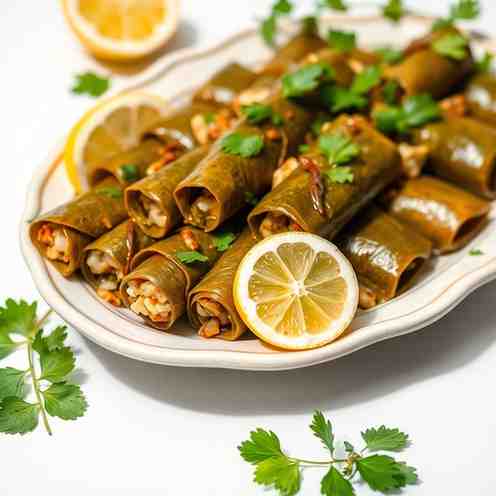
Craving a taste of the Middle East? You're in the right place! Get ready to dive into the wonderful world of stuffed grape leaves recipe, a dish that's as delicious as it is satisfying. We're talking about tender, tangy grape leaves wrapped around a savory, spiced filling of rice and meat, all simmered in a bright, lemony broth. It’s pure comfort food!
You might know them by many names: Yabraq (especially in Syria), Warak Enab (across the Levant), Dolma or Sarma (Turkish), or Dolmades (Greek). Whatever you call them, the experience is the same: a burst of flavor with every bite. This isn't just another stuffed grape leaves dish; this is the guide for first-timers and seasoned cooks alike, designed to make sure your homemade stuffed grape leaves turn out perfectly every single time. Forget the guesswork – let's make some magic!
Ingredients
Directions
- Prep the Grape Leaves:
- If using jarred leaves: Carefully remove leaves from the jar, separating them without tearing. Rinse thoroughly under cold water to remove excess brine. Place in a bowl and cover with fresh water for 15-20 minutes to further reduce saltiness, then drain. Snip off any thick stems at the base of each leaf.
- If using fresh leaves: Wash them thoroughly. Blanch in boiling water for 1-2 minutes until pliable. Drain and immediately immerse in an ice bath to stop cooking. Drain again and pat dry. Snip off any thick stems.
- Make the Filling:
- Rinse the rice several times until the water runs clear. Optionally, soak the rinsed rice in water for 15-20 minutes, then drain thoroughly.
- In a large bowl, combine the ground lamb (or beef), rinsed and drained rice, minced onion, chopped parsley, dill, and mint.
- Add the allspice, cumin, black pepper, and kosher salt. Pour in the olive oil.
- Using your hands, thoroughly mix all ingredients until well combined. Taste a tiny bit (raw meat, so spit it out!) to check seasoning, keeping in mind the grape leaves will add some salt.
- Set Up Your Rolling Station:
- Have your prepped grape leaves, filling, and a clean surface (cutting board or large platter) ready. You might want a small bowl of water for moistening your fingers.
- Roll the Grape Leaves:
- Lay a grape leaf flat on your surface, vein-side facing up (the textured side). The smooth, shiny side should be down.
- Place a small amount of filling (about 1-2 teaspoons for small leaves, up to 1 tablespoon for larger ones) near the stem end of the leaf, forming a thin line. Remember, rice expands significantly, so do not overstuff. The roll should be firm but not bursting.
- Fold the bottom edge of the leaf over the filling.
- Fold the sides of the leaf inward over the filling.
- Tightly roll the leaf upwards from the bottom towards the tip, creating a snug, cigar-like shape. Ensure the seam is tight to prevent unraveling.
- Pack the Pot:
- Choose a heavy-bottomed pot (like a Dutch oven) that's wide enough to accommodate the rolls in layers. Lightly oil the bottom of the pot.
- Arrange a protective layer on the bottom: this can be any torn or less-than-perfect grape leaves, followed by a layer of sliced tomatoes and/or potato rounds. This prevents the bottom rolls from scorching.
- Begin arranging the rolled grape leaves in tight, concentric circles or neat rows, seam-side down, making sure they are snug against each other. This helps them stay intact during cooking.
- Continue layering the rolls, alternating the direction of each layer if desired, until all rolls are in the pot.
- Tuck the lemon slices among the layers or on top.
- Place a small, heatproof plate (inverted) directly on top of the final layer of grape leaves. This acts as a weight to keep them submerged and prevent them from unraveling or floating.
- Cook & Rest:
- Pour the lemon juice over the plate.
- Carefully add enough hot water or broth to just cover the inverted plate. The liquid should cover the grape leaves completely.
- Bring the liquid to a boil over medium-high heat.
- Once boiling, reduce the heat to low, cover the pot tightly, and let it simmer gently for 1 hour 30 minutes to 2 hours, or until the rice is tender and the leaves are soft.
- Doneness Test: After about 1 hour 30 minutes, carefully remove one roll from the pot (use tongs), let it cool for a minute, then bite into it. The rice should be tender, and the leaf should be soft. If the rice is still crunchy, add another splash of hot water or broth, replace the plate and lid, and continue simmering for another 15-30 minutes.
- Once cooked, turn off the heat and let the pot rest, covered, for at least 20-30 minutes. This allows the flavors to meld and the rolls to firm up slightly.
- Serve:
- Carefully remove the inverted plate. You can either serve the grape leaves directly from the pot or invert the entire pot onto a large serving platter (be cautious, as the bottom layer of tomatoes/potatoes will be on top).
- Serve warm or at room temperature, with a side of plain yogurt or tzatziki and fresh lemon wedges for an extra squeeze of tang.
Stuffed Grape Leaves Recipe - Make Yabraq Like a Pro
- Serves: 6 People
- Prepare Time: 45 minutes
- Cooking Time: 1 hour 30 m
- Calories: -
- Difficulty: Medium
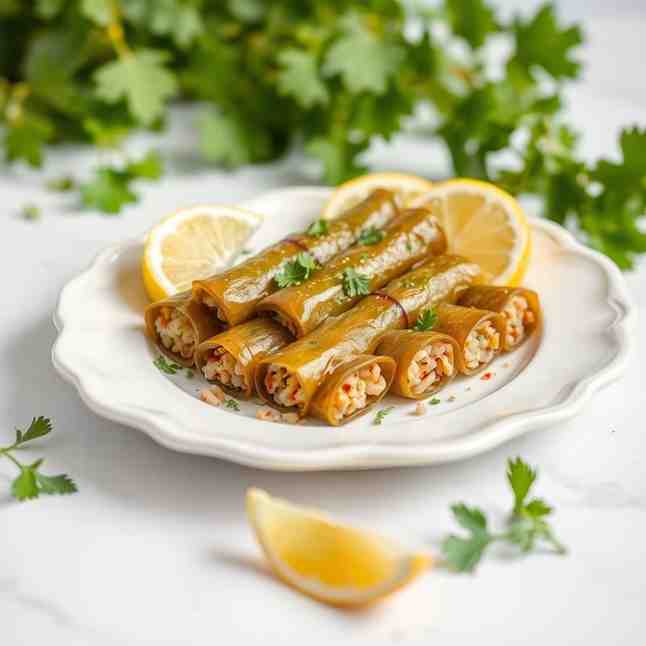
Craving a taste of the Middle East? You're in the right place! Get ready to dive into the wonderful world of stuffed grape leaves recipe, a dish that's as delicious as it is satisfying. We're talking about tender, tangy grape leaves wrapped around a savory, spiced filling of rice and meat, all simmered in a bright, lemony broth. It’s pure comfort food!
You might know them by many names: Yabraq (especially in Syria), Warak Enab (across the Levant), Dolma or Sarma (Turkish), or Dolmades (Greek). Whatever you call them, the experience is the same: a burst of flavor with every bite. This isn't just another stuffed grape leaves dish; this is the guide for first-timers and seasoned cooks alike, designed to make sure your homemade stuffed grape leaves turn out perfectly every single time. Forget the guesswork – let's make some magic!
Ingredients
Directions
- Prep the Grape Leaves:
- If using jarred leaves: Carefully remove leaves from the jar, separating them without tearing. Rinse thoroughly under cold water to remove excess brine. Place in a bowl and cover with fresh water for 15-20 minutes to further reduce saltiness, then drain. Snip off any thick stems at the base of each leaf.
- If using fresh leaves: Wash them thoroughly. Blanch in boiling water for 1-2 minutes until pliable. Drain and immediately immerse in an ice bath to stop cooking. Drain again and pat dry. Snip off any thick stems.
- Make the Filling:
- Rinse the rice several times until the water runs clear. Optionally, soak the rinsed rice in water for 15-20 minutes, then drain thoroughly.
- In a large bowl, combine the ground lamb (or beef), rinsed and drained rice, minced onion, chopped parsley, dill, and mint.
- Add the allspice, cumin, black pepper, and kosher salt. Pour in the olive oil.
- Using your hands, thoroughly mix all ingredients until well combined. Taste a tiny bit (raw meat, so spit it out!) to check seasoning, keeping in mind the grape leaves will add some salt.
- Set Up Your Rolling Station:
- Have your prepped grape leaves, filling, and a clean surface (cutting board or large platter) ready. You might want a small bowl of water for moistening your fingers.
- Roll the Grape Leaves:
- Lay a grape leaf flat on your surface, vein-side facing up (the textured side). The smooth, shiny side should be down.
- Place a small amount of filling (about 1-2 teaspoons for small leaves, up to 1 tablespoon for larger ones) near the stem end of the leaf, forming a thin line. Remember, rice expands significantly, so do not overstuff. The roll should be firm but not bursting.
- Fold the bottom edge of the leaf over the filling.
- Fold the sides of the leaf inward over the filling.
- Tightly roll the leaf upwards from the bottom towards the tip, creating a snug, cigar-like shape. Ensure the seam is tight to prevent unraveling.
- Pack the Pot:
- Choose a heavy-bottomed pot (like a Dutch oven) that's wide enough to accommodate the rolls in layers. Lightly oil the bottom of the pot.
- Arrange a protective layer on the bottom: this can be any torn or less-than-perfect grape leaves, followed by a layer of sliced tomatoes and/or potato rounds. This prevents the bottom rolls from scorching.
- Begin arranging the rolled grape leaves in tight, concentric circles or neat rows, seam-side down, making sure they are snug against each other. This helps them stay intact during cooking.
- Continue layering the rolls, alternating the direction of each layer if desired, until all rolls are in the pot.
- Tuck the lemon slices among the layers or on top.
- Place a small, heatproof plate (inverted) directly on top of the final layer of grape leaves. This acts as a weight to keep them submerged and prevent them from unraveling or floating.
- Cook & Rest:
- Pour the lemon juice over the plate.
- Carefully add enough hot water or broth to just cover the inverted plate. The liquid should cover the grape leaves completely.
- Bring the liquid to a boil over medium-high heat.
- Once boiling, reduce the heat to low, cover the pot tightly, and let it simmer gently for 1 hour 30 minutes to 2 hours, or until the rice is tender and the leaves are soft.
- Doneness Test: After about 1 hour 30 minutes, carefully remove one roll from the pot (use tongs), let it cool for a minute, then bite into it. The rice should be tender, and the leaf should be soft. If the rice is still crunchy, add another splash of hot water or broth, replace the plate and lid, and continue simmering for another 15-30 minutes.
- Once cooked, turn off the heat and let the pot rest, covered, for at least 20-30 minutes. This allows the flavors to meld and the rolls to firm up slightly.
- Serve:
- Carefully remove the inverted plate. You can either serve the grape leaves directly from the pot or invert the entire pot onto a large serving platter (be cautious, as the bottom layer of tomatoes/potatoes will be on top).
- Serve warm or at room temperature, with a side of plain yogurt or tzatziki and fresh lemon wedges for an extra squeeze of tang.
You may also like


Hey there! I’m just someone who seriously loves good food and believes that cooking doesn’t have to be complicated to be amazing. Whether it’s a quick weeknight dinner or a cozy weekend meal, I’m all about sharing easy, tasty recipes that actually work.