Crispy Falafel Recipe - Make The Best Classic Deep-Fried Balls
Crispy Falafel Recipe - Make The Best Classic Deep-Fried Balls

- Serves: 6 People
- Prepare Time: 20 minutes
- Cooking Time: 25-30 minut
- Calories: -
- Difficulty: Medium
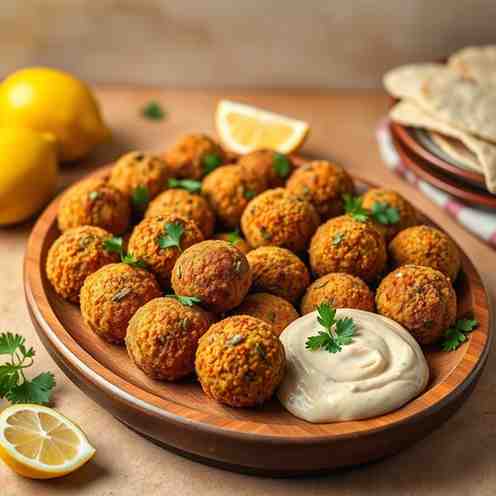
Ready to master the art of homemade falafel? This isn't just another falafel recipe; it's the definitive guide to creating perfectly crispy deep-fried chickpea balls that are fluffy inside and never greasy. We're talking traditional, authentic, and utterly delicious—the kind you find at your favorite Mediterranean dish spot. This easy recipe will walk you through every step, ensuring your falafel holds together beautifully and boasts that irresistible golden crunch. Get ready to impress!
Dried chickpeas only (soaked): Canned chickpeas are a no-go for authentic texture.
Don’t puree: A coarse, sandy texture is key for fluffiness, not a smooth paste.
Chill the mixture: This helps the falafel hold its shape and prevents crumbling.
Keep oil in the right temp range: Too cold, and they'll be greasy; too hot, and they'll burn.
Ingredients
Directions
- Soak the Chickpeas (The Most Important Step!)
- Place the dried chickpeas in a large bowl and cover them with plenty of cold water—they’ll expand significantly, so add at least 3-4 inches of water above the chickpeas.
- Add a tiny pinch of baking soda to the soaking water (optional, but it can help soften the chickpea skins for a smoother texture).
- Let them soak overnight, or for at least 12-18 hours.
- Readiness test: A soaked chickpea should be easily breakable when squeezed between your fingers, but still firm and raw. If it's still hard, keep soaking!
- Drain & Dry (Don't Skip This!)
- Thoroughly drain the soaked chickpeas. You want absolutely no excess water.
- For extra crispiness, pat them dry with a clean kitchen towel or paper towels. This is a crucial step often skipped, but it prevents a watery mixture and ensures a super crispy exterior.
- Make the Mixture (No Puree Allowed!)
- Add the drained, dried chickpeas to a food processor (not a blender, it will make a paste!).
- Pulse the chickpeas first, scraping down the sides as needed, until they are coarsely chopped but not fully broken down.
- Now, add the roughly chopped onion, garlic, fresh parsley, fresh cilantro, cumin, coriander, salt, pepper, and optional cayenne pepper to the food processor.
- Pulse again until the mixture forms a coarse, sandy meal. It should look like finely ground sand with visible flecks of herbs. The key here is not to over-process it into a smooth paste. A coarse texture is what gives falafel its characteristic fluffy, light interior.
- Texture benchmark: Squeeze a small amount of the mixture in your hand. It should hold together without crumbling. If it's too crumbly, add 1-2 tablespoons of cold water, one at a time, and pulse briefly until it holds. If it feels too wet, add a little more chickpea flour.
- Chill (A Must for Stability)
- Transfer the falafel mixture to a bowl, cover it, and refrigerate for at least 1 hour. Chilling helps the mixture firm up, making it easier to shape and less likely to fall apart during frying. You can even chill it overnight!
- Add Baking Powder, Then Shape
- Just before you're ready to fry, remove the mixture from the fridge. Sprinkle the baking powder over the mixture and mix it in thoroughly. The baking powder helps create that delightful fluffy interior.
- If using, stir in the sesame seeds now.
- Shape the mixture into small balls (about 1 ½ inches in diameter) or flattened patties. Don't flatten them too much, you want a good bite! A falafel scoop or two spoons can help create uniform shapes.
- Fry (The Traditional Way)
- Pour the neutral frying oil into a heavy-bottomed pot or Dutch oven, ensuring it's at least 3-4 inches deep.
- Heat the oil over medium-high heat to a stable temperature range of 350-375°F (175-190°C). Use a kitchen thermometer to monitor this—it's crucial for perfect falafel.
- Carefully lower a few falafel balls into the hot oil, frying in batches. Do not crowd the pot, as this will lower the oil temperature and lead to greasy falafel.
- Fry for 3-5 minutes, turning occasionally, until they are deeply golden brown and crispy on all sides.
- Doneness cues: The outside will be a rich golden brown, and when you cut one open, the inside should be light green and fluffy.
- Drain & Keep Crisp
- Using a slotted spoon or spider, transfer the fried falafel to a wire rack set over a baking sheet. This allows excess oil to drain away, keeping them super crisp.
- If you're making a large batch, you can keep the finished falafel warm in a preheated oven at 200°F (95°C) while you finish frying the remaining batches.
Crispy Falafel Recipe - Make The Best Classic Deep-Fried Balls
- Serves: 6 People
- Prepare Time: 20 minutes
- Cooking Time: 25-30 minut
- Calories: -
- Difficulty: Medium
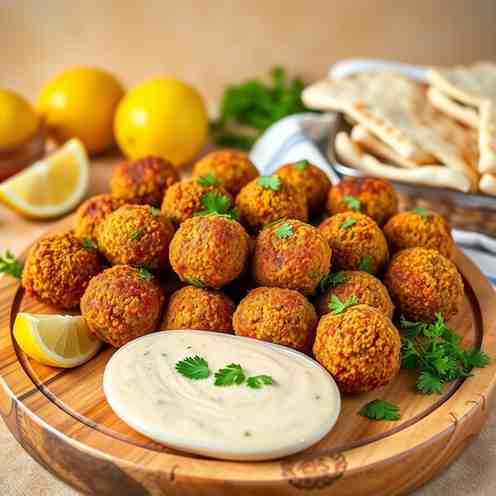
Ready to master the art of homemade falafel? This isn't just another falafel recipe; it's the definitive guide to creating perfectly crispy deep-fried chickpea balls that are fluffy inside and never greasy. We're talking traditional, authentic, and utterly delicious—the kind you find at your favorite Mediterranean dish spot. This easy recipe will walk you through every step, ensuring your falafel holds together beautifully and boasts that irresistible golden crunch. Get ready to impress!
Dried chickpeas only (soaked): Canned chickpeas are a no-go for authentic texture.
Don’t puree: A coarse, sandy texture is key for fluffiness, not a smooth paste.
Chill the mixture: This helps the falafel hold its shape and prevents crumbling.
Keep oil in the right temp range: Too cold, and they'll be greasy; too hot, and they'll burn.
Ingredients
Directions
- Soak the Chickpeas (The Most Important Step!)
- Place the dried chickpeas in a large bowl and cover them with plenty of cold water—they’ll expand significantly, so add at least 3-4 inches of water above the chickpeas.
- Add a tiny pinch of baking soda to the soaking water (optional, but it can help soften the chickpea skins for a smoother texture).
- Let them soak overnight, or for at least 12-18 hours.
- Readiness test: A soaked chickpea should be easily breakable when squeezed between your fingers, but still firm and raw. If it's still hard, keep soaking!
- Drain & Dry (Don't Skip This!)
- Thoroughly drain the soaked chickpeas. You want absolutely no excess water.
- For extra crispiness, pat them dry with a clean kitchen towel or paper towels. This is a crucial step often skipped, but it prevents a watery mixture and ensures a super crispy exterior.
- Make the Mixture (No Puree Allowed!)
- Add the drained, dried chickpeas to a food processor (not a blender, it will make a paste!).
- Pulse the chickpeas first, scraping down the sides as needed, until they are coarsely chopped but not fully broken down.
- Now, add the roughly chopped onion, garlic, fresh parsley, fresh cilantro, cumin, coriander, salt, pepper, and optional cayenne pepper to the food processor.
- Pulse again until the mixture forms a coarse, sandy meal. It should look like finely ground sand with visible flecks of herbs. The key here is not to over-process it into a smooth paste. A coarse texture is what gives falafel its characteristic fluffy, light interior.
- Texture benchmark: Squeeze a small amount of the mixture in your hand. It should hold together without crumbling. If it's too crumbly, add 1-2 tablespoons of cold water, one at a time, and pulse briefly until it holds. If it feels too wet, add a little more chickpea flour.
- Chill (A Must for Stability)
- Transfer the falafel mixture to a bowl, cover it, and refrigerate for at least 1 hour. Chilling helps the mixture firm up, making it easier to shape and less likely to fall apart during frying. You can even chill it overnight!
- Add Baking Powder, Then Shape
- Just before you're ready to fry, remove the mixture from the fridge. Sprinkle the baking powder over the mixture and mix it in thoroughly. The baking powder helps create that delightful fluffy interior.
- If using, stir in the sesame seeds now.
- Shape the mixture into small balls (about 1 ½ inches in diameter) or flattened patties. Don't flatten them too much, you want a good bite! A falafel scoop or two spoons can help create uniform shapes.
- Fry (The Traditional Way)
- Pour the neutral frying oil into a heavy-bottomed pot or Dutch oven, ensuring it's at least 3-4 inches deep.
- Heat the oil over medium-high heat to a stable temperature range of 350-375°F (175-190°C). Use a kitchen thermometer to monitor this—it's crucial for perfect falafel.
- Carefully lower a few falafel balls into the hot oil, frying in batches. Do not crowd the pot, as this will lower the oil temperature and lead to greasy falafel.
- Fry for 3-5 minutes, turning occasionally, until they are deeply golden brown and crispy on all sides.
- Doneness cues: The outside will be a rich golden brown, and when you cut one open, the inside should be light green and fluffy.
- Drain & Keep Crisp
- Using a slotted spoon or spider, transfer the fried falafel to a wire rack set over a baking sheet. This allows excess oil to drain away, keeping them super crisp.
- If you're making a large batch, you can keep the finished falafel warm in a preheated oven at 200°F (95°C) while you finish frying the remaining batches.
You may also like



Hey there! I’m just someone who seriously loves good food and believes that cooking doesn’t have to be complicated to be amazing. Whether it’s a quick weeknight dinner or a cozy weekend meal, I’m all about sharing easy, tasty recipes that actually work.