
Catalan Botifarra - Pork Sausage Recipe
Catalan Botifarra - Pork Sausage Recipe
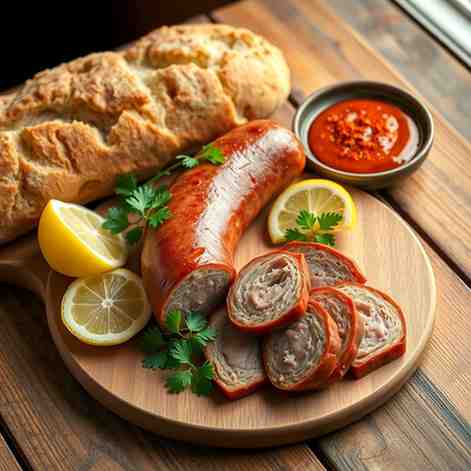

- Serves: 4 People
- Prepare Time: 15 minutes
- Cooking Time: 45 minutes
- Calories: -
- Difficulty: Easy
Imagine a smoky pan of perfectly browned sausages nestled amongst creamy white beans, infused with garlic, wine, and herbs. That's the magic of Botifarra amb Mongetes, a dish that tastes like it's straight from a rustic Catalan tavern but is surprisingly simple to make in your own American kitchen. If you're searching for the best pork sausage dish that's both authentic and comforting, you've just found it. This recipe is a fantastic way to explore spanish cured meats (or their fresh equivalent!) and dive into spanish food recipes that are truly special.
Meet Catalan Botifarra Sausage: At its heart, botifarra is a fresh Catalan pork sausage, typically made with finely minced or ground pork, seasoned mildly with salt and pepper, and sometimes a hint of nutmeg. Unlike a spicy chorizo, botifarra is not heavily spiced or smoked, allowing the natural flavor of the pork to shine. For those in the US, think of it as a cousin to a mild Italian sausage or a classic German bratwurst – but with its own unique, subtle character. It’s the star of many pork meat recipes in Catalonia.
Why Botifarra amb Mongetes Is a Catalan Classic: This dish, translating to "sausage with white beans," has a rich history. It emerged from the bustling taverns of 19th-century Catalonia, a hearty, affordable meal that quickly became a beloved "national" staple. It perfectly embodies the region's "sea and mountain" cooking philosophy and is a comforting, filling dish enjoyed as a robust lunch or dinner, or even for "esmorzar de forquilla" (a traditional hearty mid-morning breakfast). It’s one of those quintessential recipes using pork that locals adore.
What You’ll Get From This Recipe: Our recipe brings you a single-pan wonder: deeply browned, juicy sausages, tender, garlicky white beans, and a savory sauce enriched with a touch of white wine and fresh herbs. It’s a perfect way to use high-quality pork shoulder recipes or pork belly recipe cuts in sausage form, delivering big flavor with minimal fuss.
Ingredients
Directions
- Prep the Beans If you're using canned white beans, give them a good rinse under cold water and drain them well. If you're using cooked-from-dried beans, make sure they are already fully cooked until tender but still hold their shape before you begin the recipe.
- Brown the Sausages Heat 2 tablespoons of olive oil in a large, heavy-bottomed skillet or Dutch oven over medium-high heat. Add the botifarra sausages and sear them until they are deeply browned on all sides, about 3-4 minutes per side. You want the casing to be nicely caramelized in spots, but not split. Don't worry about cooking them through completely at this stage; they'll finish cooking later. Once browned, transfer the sausages to a plate and set aside, leaving all those delicious drippings in the pan.
- Build the Sofrito-Style Base Reduce the heat to medium. Add the chopped onion to the same pan with the sausage drippings. Sauté, stirring occasionally, until the onion is soft and lightly golden, about 5-7 minutes. Add the minced garlic and cook for another minute until fragrant, being careful not to burn it. If using white wine, pour it into the pan and deglaze, scraping up any browned bits from the bottom of the pan with a wooden spoon. If skipping the wine, use a splash of the stock instead.
- Simmer the Beans Add the rinsed and drained white beans and the pork or chicken stock to the pan. Season lightly with salt and pepper. Remember that sausages can be quite salty, so season cautiously now and adjust later. Add the fresh thyme and rosemary sprigs if using. Bring the mixture to a gentle simmer, then reduce the heat to low, cover, and let the beans cook gently for about 10-15 minutes. This allows them to absorb the flavors and become wonderfully creamy without breaking apart.
- Finish the Sausages in the Pan Nestle the browned sausages back into the simmering beans. Cover the pan again and continue to simmer for another 15-20 minutes, or until the sausages are cooked through. An instant-read thermometer should register an internal temperature of 160°F (71°C). The beans should be tender and deeply flavored. If the sauce gets too thick, add a splash more stock or water. If it’s too thin, remove the lid and let it reduce uncovered for the last few minutes for a thicker, spoonable sauce.
- Taste, Adjust & Serve Remove the herb sprigs. Taste the dish and adjust the seasoning with more salt and pepper if needed. For a bright finish, you can hit it at the end with a squeeze of fresh lemon juice or a generous drizzle of good quality olive oil. Sprinkle generously with fresh chopped parsley. Serve directly in shallow bowls with plenty of crusty bread to soak up all that incredible sauce.
Catalan Botifarra - Pork Sausage Recipe

- Serves: 4 People
- Prepare Time: 15 minutes
- Cooking Time: 45 minutes
- Calories: -
- Difficulty: Easy
Imagine a smoky pan of perfectly browned sausages nestled amongst creamy white beans, infused with garlic, wine, and herbs. That's the magic of Botifarra amb Mongetes, a dish that tastes like it's straight from a rustic Catalan tavern but is surprisingly simple to make in your own American kitchen. If you're searching for the best pork sausage dish that's both authentic and comforting, you've just found it. This recipe is a fantastic way to explore spanish cured meats (or their fresh equivalent!) and dive into spanish food recipes that are truly special.
Meet Catalan Botifarra Sausage: At its heart, botifarra is a fresh Catalan pork sausage, typically made with finely minced or ground pork, seasoned mildly with salt and pepper, and sometimes a hint of nutmeg. Unlike a spicy chorizo, botifarra is not heavily spiced or smoked, allowing the natural flavor of the pork to shine. For those in the US, think of it as a cousin to a mild Italian sausage or a classic German bratwurst – but with its own unique, subtle character. It’s the star of many pork meat recipes in Catalonia.
Why Botifarra amb Mongetes Is a Catalan Classic: This dish, translating to "sausage with white beans," has a rich history. It emerged from the bustling taverns of 19th-century Catalonia, a hearty, affordable meal that quickly became a beloved "national" staple. It perfectly embodies the region's "sea and mountain" cooking philosophy and is a comforting, filling dish enjoyed as a robust lunch or dinner, or even for "esmorzar de forquilla" (a traditional hearty mid-morning breakfast). It’s one of those quintessential recipes using pork that locals adore.
What You’ll Get From This Recipe: Our recipe brings you a single-pan wonder: deeply browned, juicy sausages, tender, garlicky white beans, and a savory sauce enriched with a touch of white wine and fresh herbs. It’s a perfect way to use high-quality pork shoulder recipes or pork belly recipe cuts in sausage form, delivering big flavor with minimal fuss.
Ingredients
Directions
- Prep the Beans If you're using canned white beans, give them a good rinse under cold water and drain them well. If you're using cooked-from-dried beans, make sure they are already fully cooked until tender but still hold their shape before you begin the recipe.
- Brown the Sausages Heat 2 tablespoons of olive oil in a large, heavy-bottomed skillet or Dutch oven over medium-high heat. Add the botifarra sausages and sear them until they are deeply browned on all sides, about 3-4 minutes per side. You want the casing to be nicely caramelized in spots, but not split. Don't worry about cooking them through completely at this stage; they'll finish cooking later. Once browned, transfer the sausages to a plate and set aside, leaving all those delicious drippings in the pan.
- Build the Sofrito-Style Base Reduce the heat to medium. Add the chopped onion to the same pan with the sausage drippings. Sauté, stirring occasionally, until the onion is soft and lightly golden, about 5-7 minutes. Add the minced garlic and cook for another minute until fragrant, being careful not to burn it. If using white wine, pour it into the pan and deglaze, scraping up any browned bits from the bottom of the pan with a wooden spoon. If skipping the wine, use a splash of the stock instead.
- Simmer the Beans Add the rinsed and drained white beans and the pork or chicken stock to the pan. Season lightly with salt and pepper. Remember that sausages can be quite salty, so season cautiously now and adjust later. Add the fresh thyme and rosemary sprigs if using. Bring the mixture to a gentle simmer, then reduce the heat to low, cover, and let the beans cook gently for about 10-15 minutes. This allows them to absorb the flavors and become wonderfully creamy without breaking apart.
- Finish the Sausages in the Pan Nestle the browned sausages back into the simmering beans. Cover the pan again and continue to simmer for another 15-20 minutes, or until the sausages are cooked through. An instant-read thermometer should register an internal temperature of 160°F (71°C). The beans should be tender and deeply flavored. If the sauce gets too thick, add a splash more stock or water. If it’s too thin, remove the lid and let it reduce uncovered for the last few minutes for a thicker, spoonable sauce.
- Taste, Adjust & Serve Remove the herb sprigs. Taste the dish and adjust the seasoning with more salt and pepper if needed. For a bright finish, you can hit it at the end with a squeeze of fresh lemon juice or a generous drizzle of good quality olive oil. Sprinkle generously with fresh chopped parsley. Serve directly in shallow bowls with plenty of crusty bread to soak up all that incredible sauce.
You may also like




Hey there! I’m just someone who seriously loves good food and believes that cooking doesn’t have to be complicated to be amazing. Whether it’s a quick weeknight dinner or a cozy weekend meal, I’m all about sharing easy, tasty recipes that actually work.