Spanish Octopus - Tender Recipe Guide
Spanish Octopus - Tender Recipe Guide
- Serves: 4 People
- Prepare Time: 20 minutes
- Cooking Time: 45-90 minut
- Calories: -
- Difficulty: Medium
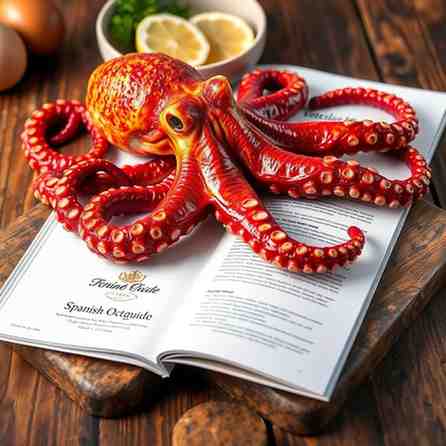
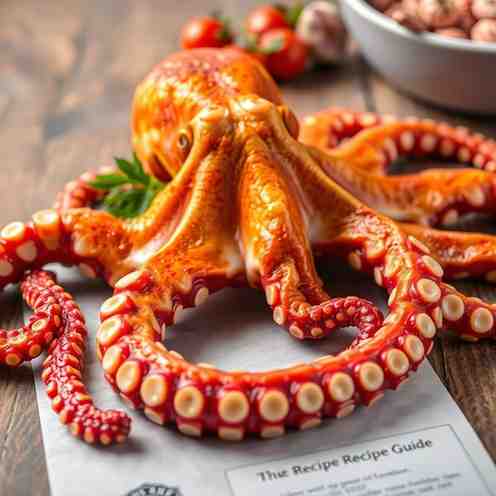
Welcome to the ultimate guide for making Pulpo a la Gallega, or Spanish octopus, right in your own kitchen! This isn't just any seafood recipe; it's a culinary journey to Galicia, Spain, where tender octopus meets the simplicity of good olive oil, smoky paprika, and flaky sea salt. What makes this dish so special is its deceptive simplicity – it relies on perfect execution to transform a humble ingredient into something truly extraordinary.
Forget all your fears of rubbery octopus! With our step-by-step cooking recipes and insider tips, you'll master the art of tender octopus, ensuring every bite is melt-in-your-mouth delicious. Get ready to impress your friends and family with an authentic taste of Spanish food that's easier to achieve than you think. Let's dive into making this iconic dish!
Ingredients
Directions
- 1) Thaw + Prep the Octopus If your octopus is frozen, thaw it safely in the refrigerator overnight. Once thawed, give it a quick rinse under cold water. If it hasn't been cleaned, locate the beak (hard, white part in the center of the tentacles) and gently push it out. You might also want to trim around the eye area if any grit is present, but often this is already done.
- 2) Bring the Pot to a Boil Choose a large pot, big enough to comfortably submerge the octopus. Fill it about two-thirds full with water. Add a mild amount of salt – remember, you'll be seasoning the final dish, so don't overdo it here. If you're using the optional bay leaf, add it now. Bring the water to a rolling boil.
- 3) “Dip” (Shock/Scare) the Octopus This is a traditional step that helps the octopus tentacles curl beautifully and prevents the skin from peeling off during cooking. Hold the octopus by its head and dip it into the boiling water for about 10 seconds. Remove it, wait a few seconds, then dip it again. Repeat this process a third time. You'll see the tentacles immediately curl up! This step doesn't tenderize the octopus, but it's great for presentation.
- 4) Simmer Until Tender (The Heart of the Recipe) After the third dip, fully submerge the octopus in the boiling water. Reduce the heat to a steady, gentle simmer – you want small bubbles, not a rapid boil. Cover the pot.
- Cooking time will vary depending on the size of your octopus:
- Octopus Simmer Time Guide
1–1.5 pounds – 45–60 minutes
2–3 pounds – 60–90 minutes
3+ pounds – 90+ minutes - To test for doneness, pierce the thickest part of a tentacle with a skewer or a paring knife. It should feel very tender, like a perfectly cooked baked potato, with no resistance. If it's still tough, continue simmering in 10-15 minute increments, testing after each.
- 5) Rest Off Heat Once the octopus is tender, turn off the heat but leave the octopus in the hot water, covered, for another 10-20 minutes. This resting period helps the octopus become even more tender and juicy.
- 6) Cook the PotatoesWhile the octopus is resting (or even slightly before if you're good at timing), cook your sliced potatoes. You can either boil them in a separate pot of salted water until fork-tender (about 10-15 minutes), or for extra flavor, remove the octopus from its cooking water, then boil the potato slices in that same water until tender.
- 7) Slice + Plate Like Galicia Carefully remove the octopus from the water and place it on a cutting board. Using a sharp knife, slice the tentacles into ½-inch thick coins. You can also slice the head if you like, though the tentacles are the star.
- To plate traditionally, arrange the cooked potato slices on a wooden board or a serving platter. Neatly layer the sliced octopus coins on top of the potatoes.
- Finish the dish with a generous drizzle of good extra-virgin olive oil, a dusting of sweet smoked paprika (and a pinch of hot if using), and a sprinkle of flaky sea salt. The finished plate should look vibrant, rustic, and incredibly inviting, with the tender octopus glistening under the oil and paprika.
Spanish Octopus - Tender Recipe Guide
- Serves: 4 People
- Prepare Time: 20 minutes
- Cooking Time: 45-90 minut
- Calories: -
- Difficulty: Medium
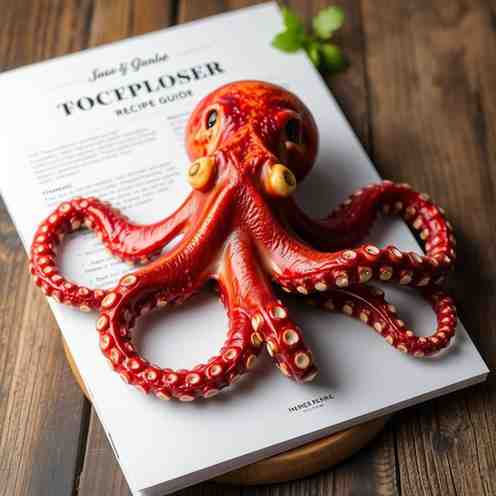
Welcome to the ultimate guide for making Pulpo a la Gallega, or Spanish octopus, right in your own kitchen! This isn't just any seafood recipe; it's a culinary journey to Galicia, Spain, where tender octopus meets the simplicity of good olive oil, smoky paprika, and flaky sea salt. What makes this dish so special is its deceptive simplicity – it relies on perfect execution to transform a humble ingredient into something truly extraordinary.
Forget all your fears of rubbery octopus! With our step-by-step cooking recipes and insider tips, you'll master the art of tender octopus, ensuring every bite is melt-in-your-mouth delicious. Get ready to impress your friends and family with an authentic taste of Spanish food that's easier to achieve than you think. Let's dive into making this iconic dish!
Ingredients
Directions
- 1) Thaw + Prep the Octopus If your octopus is frozen, thaw it safely in the refrigerator overnight. Once thawed, give it a quick rinse under cold water. If it hasn't been cleaned, locate the beak (hard, white part in the center of the tentacles) and gently push it out. You might also want to trim around the eye area if any grit is present, but often this is already done.
- 2) Bring the Pot to a Boil Choose a large pot, big enough to comfortably submerge the octopus. Fill it about two-thirds full with water. Add a mild amount of salt – remember, you'll be seasoning the final dish, so don't overdo it here. If you're using the optional bay leaf, add it now. Bring the water to a rolling boil.
- 3) “Dip” (Shock/Scare) the Octopus This is a traditional step that helps the octopus tentacles curl beautifully and prevents the skin from peeling off during cooking. Hold the octopus by its head and dip it into the boiling water for about 10 seconds. Remove it, wait a few seconds, then dip it again. Repeat this process a third time. You'll see the tentacles immediately curl up! This step doesn't tenderize the octopus, but it's great for presentation.
- 4) Simmer Until Tender (The Heart of the Recipe) After the third dip, fully submerge the octopus in the boiling water. Reduce the heat to a steady, gentle simmer – you want small bubbles, not a rapid boil. Cover the pot.
- Cooking time will vary depending on the size of your octopus:
- Octopus Simmer Time Guide
1–1.5 pounds – 45–60 minutes
2–3 pounds – 60–90 minutes
3+ pounds – 90+ minutes - To test for doneness, pierce the thickest part of a tentacle with a skewer or a paring knife. It should feel very tender, like a perfectly cooked baked potato, with no resistance. If it's still tough, continue simmering in 10-15 minute increments, testing after each.
- 5) Rest Off Heat Once the octopus is tender, turn off the heat but leave the octopus in the hot water, covered, for another 10-20 minutes. This resting period helps the octopus become even more tender and juicy.
- 6) Cook the PotatoesWhile the octopus is resting (or even slightly before if you're good at timing), cook your sliced potatoes. You can either boil them in a separate pot of salted water until fork-tender (about 10-15 minutes), or for extra flavor, remove the octopus from its cooking water, then boil the potato slices in that same water until tender.
- 7) Slice + Plate Like Galicia Carefully remove the octopus from the water and place it on a cutting board. Using a sharp knife, slice the tentacles into ½-inch thick coins. You can also slice the head if you like, though the tentacles are the star.
- To plate traditionally, arrange the cooked potato slices on a wooden board or a serving platter. Neatly layer the sliced octopus coins on top of the potatoes.
- Finish the dish with a generous drizzle of good extra-virgin olive oil, a dusting of sweet smoked paprika (and a pinch of hot if using), and a sprinkle of flaky sea salt. The finished plate should look vibrant, rustic, and incredibly inviting, with the tender octopus glistening under the oil and paprika.
You may also like

Hey there! I’m just someone who seriously loves good food and believes that cooking doesn’t have to be complicated to be amazing. Whether it’s a quick weeknight dinner or a cozy weekend meal, I’m all about sharing easy, tasty recipes that actually work.