
Fish Bone Broth Savor Barbadian Sea Flavors
Fish Bone Broth Savor Barbadian Sea Flavors


- Serves: 6 People
- Prepare Time: 20 minutes
- Cooking Time: 60 minutes
- Calories: -
- Difficulty: Medium
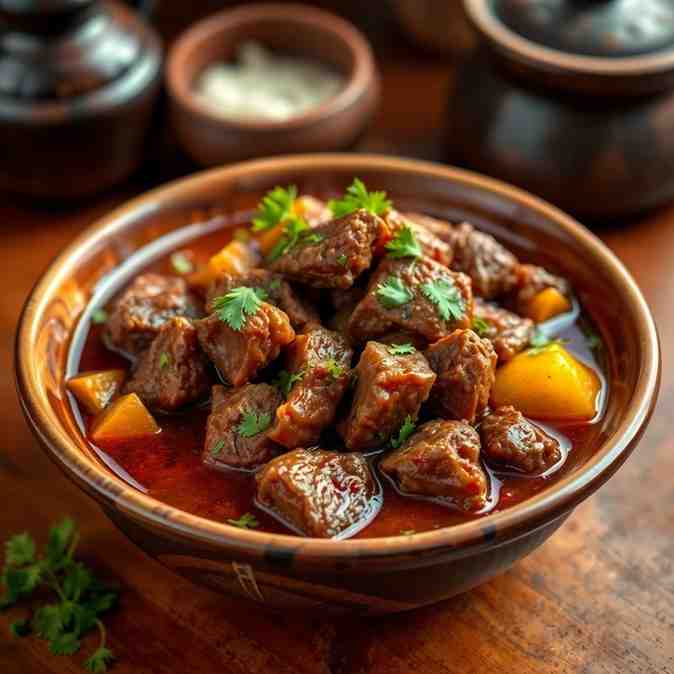
Welcome to the vibrant world of Barbadian cuisine! If you're looking for a dish that truly captures the soul of the Caribbean, then our authentic Barbadian fish bone broth is calling your name. This isn't just any seafood soup recipe; it's a culinary journey, a staple in Barbadian households, known for its comforting warmth and incredible depth of flavor. Forget bland broths – this recipe transforms simple ingredients into a rich, aromatic elixir that's both deeply satisfying and incredibly good for you.
Beyond its delicious taste, this healthy broth soup is packed with amazing benefits. Made from the bones and heads of fresh fish, it's a powerhouse of essential minerals, collagen, and those fantastic omega-3 fatty acids. So, whether you're a seasoned chef or just starting your culinary adventure, learning how to make this fish bone broth is an essential skill. Get ready to savor the sea and bring a piece of Barbados right into your kitchen! It's an experience far superior to your average salmon fish soup or simple seafood soup recipe, offering a richer, more authentic taste of island life.
Ingredients
Directions
- Preparing the Fish for Broth First things first, let's get that fish ready! If you have whole fish, carefully clean and scale it. Remove the fillets if you plan to use them later, but keep the bones, head (gills removed!), and any other scraps. Give all the bony pieces a good rinse under cold water to remove any loose blood or impurities. This step is crucial for preventing a "fishy" taste and ensuring a clear, clean fish bone broth. Pat them dry with paper towels.
- Sautéing the Aromatics Grab a large, heavy-bottomed pot or Dutch oven. Heat the olive oil over medium heat. Add your roughly chopped onion, smashed garlic, and chopped celery. Sauté them gently for about 5-7 minutes until they soften and become fragrant. Don't let them brown too much; we just want to wake up their flavors.
- Simmering the Broth with Fish Bones Now, it's time for the star of the show! Add your rinsed fish bones and heads to the pot with the sautéed aromatics. Toss in the whole Scotch Bonnet (if using), fresh thyme, parsley, bay leaf, and black peppercorns. Pour in enough cold water to fully cover all the ingredients. Bring the mixture to a gentle simmer over medium-high heat, then immediately reduce the heat to low. Skim off any foam or scum that rises to the surface during the first 15-20 minutes – this helps keep your broth clear and tasting fresh. Let it simmer gently, uncovered, for about 45 minutes to 1 hour. This simmering time is perfect for extracting all those wonderful flavors and nutrients from the bones without overcooking and developing a strong "fishy" flavor.
- Adding Vegetables and Spices (Optional) If you're making a heartier soup, strain the broth through a fine-mesh sieve into a clean pot, discarding the solids (bones, herbs, veggies). Return the strained broth to the stove. Now, add your diced potatoes, pumpkin, plantain, yam, and okra, along with the fish fillets (if using). Bring it back to a gentle simmer and cook for 15-20 minutes, or until the vegetables are tender and the fish is cooked through and flakes easily.
- Finishing Touches – Seasoning and Adjusting Once your broth (or soup) is ready, it's time to perfect the flavor. Stir in the fresh lime juice. Season generously with salt and freshly ground black pepper to taste. You might find you need a good amount of salt to bring out all the flavors. If you prefer a slightly thicker broth, you can gently mash some of the cooked vegetables against the side of the pot, or even remove a cup of broth, blend it with a tablespoon of cornstarch mixed with a little cold water, and stir it back into the simmering pot. Garnish with fresh cilantro or parsley before serving.
Fish Bone Broth Savor Barbadian Sea Flavors

- Serves: 6 People
- Prepare Time: 20 minutes
- Cooking Time: 60 minutes
- Calories: -
- Difficulty: Medium
Welcome to the vibrant world of Barbadian cuisine! If you're looking for a dish that truly captures the soul of the Caribbean, then our authentic Barbadian fish bone broth is calling your name. This isn't just any seafood soup recipe; it's a culinary journey, a staple in Barbadian households, known for its comforting warmth and incredible depth of flavor. Forget bland broths – this recipe transforms simple ingredients into a rich, aromatic elixir that's both deeply satisfying and incredibly good for you.
Beyond its delicious taste, this healthy broth soup is packed with amazing benefits. Made from the bones and heads of fresh fish, it's a powerhouse of essential minerals, collagen, and those fantastic omega-3 fatty acids. So, whether you're a seasoned chef or just starting your culinary adventure, learning how to make this fish bone broth is an essential skill. Get ready to savor the sea and bring a piece of Barbados right into your kitchen! It's an experience far superior to your average salmon fish soup or simple seafood soup recipe, offering a richer, more authentic taste of island life.
Ingredients
Directions
- Preparing the Fish for Broth First things first, let's get that fish ready! If you have whole fish, carefully clean and scale it. Remove the fillets if you plan to use them later, but keep the bones, head (gills removed!), and any other scraps. Give all the bony pieces a good rinse under cold water to remove any loose blood or impurities. This step is crucial for preventing a "fishy" taste and ensuring a clear, clean fish bone broth. Pat them dry with paper towels.
- Sautéing the Aromatics Grab a large, heavy-bottomed pot or Dutch oven. Heat the olive oil over medium heat. Add your roughly chopped onion, smashed garlic, and chopped celery. Sauté them gently for about 5-7 minutes until they soften and become fragrant. Don't let them brown too much; we just want to wake up their flavors.
- Simmering the Broth with Fish Bones Now, it's time for the star of the show! Add your rinsed fish bones and heads to the pot with the sautéed aromatics. Toss in the whole Scotch Bonnet (if using), fresh thyme, parsley, bay leaf, and black peppercorns. Pour in enough cold water to fully cover all the ingredients. Bring the mixture to a gentle simmer over medium-high heat, then immediately reduce the heat to low. Skim off any foam or scum that rises to the surface during the first 15-20 minutes – this helps keep your broth clear and tasting fresh. Let it simmer gently, uncovered, for about 45 minutes to 1 hour. This simmering time is perfect for extracting all those wonderful flavors and nutrients from the bones without overcooking and developing a strong "fishy" flavor.
- Adding Vegetables and Spices (Optional) If you're making a heartier soup, strain the broth through a fine-mesh sieve into a clean pot, discarding the solids (bones, herbs, veggies). Return the strained broth to the stove. Now, add your diced potatoes, pumpkin, plantain, yam, and okra, along with the fish fillets (if using). Bring it back to a gentle simmer and cook for 15-20 minutes, or until the vegetables are tender and the fish is cooked through and flakes easily.
- Finishing Touches – Seasoning and Adjusting Once your broth (or soup) is ready, it's time to perfect the flavor. Stir in the fresh lime juice. Season generously with salt and freshly ground black pepper to taste. You might find you need a good amount of salt to bring out all the flavors. If you prefer a slightly thicker broth, you can gently mash some of the cooked vegetables against the side of the pot, or even remove a cup of broth, blend it with a tablespoon of cornstarch mixed with a little cold water, and stir it back into the simmering pot. Garnish with fresh cilantro or parsley before serving.
The following nutritional values are per serving (one piece of cake) Calories 120-180 kcal Carbohydrates 5-10g Protein 15-20g Fat 4-8g Time-Saving Tools & Ingredients Sometimes, you just want to get that delicious Barbadian Fish Broth on the table without spending all day in the kitchen. Here are a few recommendations for tools and ingredients that can help you speed things up! Problem: Chopping all those fresh vegetables like onions, garlic, and celery can be a real time-sink, especially if you're making a big batch. Problem: After simmering your fish bones, you're often left with a broth that has small bits and pieces, or you want a super clear, refined liquid. Problem: Even with a food processor, peeling and prepping can add minutes. Problem: Dealing with fish bones, fins, and heads can be messy and sometimes tricky with just a knife. Click any ingredient for detailed nutritional information:Recipe Nutritional Values
Additional Information
Recipe Success Tips
Ingredient Substitutions & Variations
Cultural Variations
Make-Ahead & Storage Instructions
Frequently Asked Questions
Recommended Kitchen Tools
Food Processor
Agitate: Who wants tired hands and watery eyes when you could be enjoying the aroma of your broth already simmering? Endless dicing can turn cooking into a chore.
Solution: A good food processor can make quick work of your aromatics, getting them perfectly minced or finely chopped in seconds. Just a few pulses and you're ready to sauté!Fine-Mesh Sieve or Cheesecloth
Agitate: A cloudy or chunky broth isn't always what you're aiming for, especially when you want that beautiful, clear Barbadian "tea" consistency. Skimming alone might not be enough.
Solution: A fine-mesh sieve or a few layers of cheesecloth can quickly strain your broth, removing all solids and giving you a perfectly clear, smooth base for your soup. It’s a game-changer for presentation and texture.Pre-Chopped Aromatics (Frozen)
Agitate: Sometimes, you just don't have fresh onions or garlic on hand, or the thought of another chopping session is daunting.
Solution: Keep a bag of frozen pre-chopped onions, garlic, or even a mirepoix mix (celery, carrots, onion) in your freezer. While fresh is always best, these can be a fantastic shortcut for busy weeknights, melting right into your pot.Good Quality Kitchen Shears
Agitate: Struggling to cut through tougher parts of the fish or getting a clean separation can be frustrating and even a bit unsafe.
Solution: A sturdy pair of kitchen shears makes quick work of snipping fins, gills, and even breaking down smaller fish bones for easier handling and better flavor extraction. They offer precision and control.Calories per Ingredient
Resources & References
You may also like
.jpg)


Hey there! I’m just someone who seriously loves good food and believes that cooking doesn’t have to be complicated to be amazing. Whether it’s a quick weeknight dinner or a cozy weekend meal, I’m all about sharing easy, tasty recipes that actually work.