
Koduõlu - Estonia's Craft Raw Ale Explore Beyond Lager
Koduõlu - Estonia's Craft Raw Ale Explore Beyond Lager
- Serves: 40 People
- Prepare Time: 1 hour
- Cooking Time: 4 hours
- Calories: -
- Difficulty: Easy
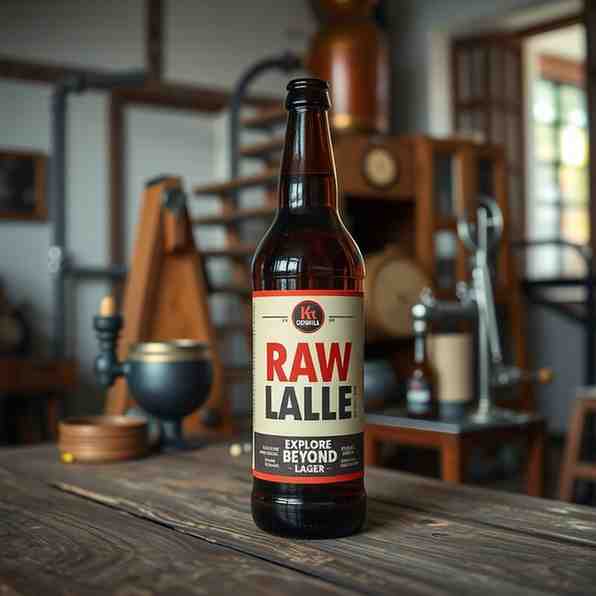
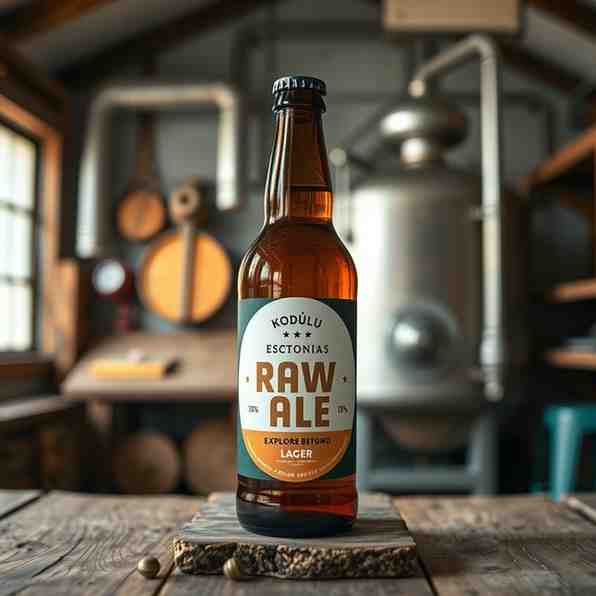
Hey there, fellow craft beer explorer! If your palate is always on the hunt for something truly unique, something that dances between the rustic charm of saisons, the hazy allure of farmhouse ales, and the pure, unfiltered joy of traditional brewing, then you're in for a treat. Get ready to meet Koduõlu (pronounced "koh-doo-oh-loo"), Estonia's ancient farmhouse raw ale that's unlike any bottled IPA beer or best pilsner beer you've ever had.
Forget what you think you know about conventional brewing. Koduõlu is a delicious, no-boil wonder that offers a fascinating glimpse into brewing history and a truly distinctive flavor profile. It's a sweetish, full-bodied brew with low carbonation, a hint of juniper, and a signature banana aroma, often hitting a robust 6–8% ABV—making it a contender for those seeking beer with high alcohol content USA.
In this guide, we'll give you a full style snapshot of Koduõlu, comparing it to other popular styles like craft lager beer and IPAs, and then we'll dive straight into one proven 5-gallon recipe so you can brew this remarkable beer right in your own home. Let's get brewing!
Ingredients
Directions
- Day -1: Preparation
- Optional Yeast Starter: If using liquid yeast, prepare a starter 24-36 hours in advance according to yeast manufacturer's instructions.
- Optional Blackcurrant Leaf Prep: If using, rinse 10-15 fresh blackcurrant leaves and set aside. These can be added to the fermenter for a subtle fruity note.
- Brew Day: The No-Boil Method
- Prep Juniper in the Mash Tun:
- Thoroughly clean and sanitize your mash tun (cooler mash tun or BIAB bag in a kettle).
- Line the bottom of your mash tun with about half of the crushed juniper branches. This acts as a natural filter bed.
- Thick Mash:
- Heat 4 gallons (15.1 liters) of water to approximately 170°F (77°C).
- Add the Vienna malt to your mash tun.
- Slowly pour the hot water over the grain, stirring thoroughly to avoid dough balls. Aim for a thick mash consistency.
- Target a mash temperature of 160°F (71°C). Adjust with small additions of hot or cold water as needed.
- Insulate your mash tun well (wrap in blankets, etc.) to maintain temperature. Mash for 90 minutes.
- Make Hop Tea:
- While mashing, prepare your hop tea. In a small pot, bring 1 quart (1 liter) of water to a boil.
- Add the 1 oz Saaz hops and the 0.5 oz sweet gale (if using) to the boiling water.
- Boil for 10-15 minutes to extract bitterness and aromatics. This hop tea will provide the bitterness usually achieved by boiling the wort.
- After boiling, strain the hop solids and sweet gale out, retaining the liquid. Set aside.
- Juniper-Infused Sparge:
- After the 90-minute mash, slowly add the remaining half of your crushed juniper branches on top of the grain bed.
- Heat another 2.5 gallons (9.5 liters) of water to 170°F (77°C) for sparging.
- Slowly recirculate the first runnings until clear. Then, begin to collect your wort into a sanitized fermenter.
- As you sparge, slowly add the hot sparge water over the grain bed, ensuring an even distribution. Aim to collect approximately 5.5 gallons (20.8 liters) of wort.
- Troubleshooting Tip: If runoff is slow due to the thick mash, gently stir the top layer of the grain bed, or use a mash paddle to clear any clogs at the bottom of the tun.
- Oxygenate, Cool, & Pitch:
- Once you've collected your wort, stir vigorously or use an aeration stone to oxygenate it. This is crucial for healthy yeast fermentation.
- Rapidly cool the wort to your target fermentation temperature of 68°F (20°C). An immersion chiller is ideal, or you can place the fermenter in an ice bath.
- Once cooled, pitch your chosen yeast. If using blackcurrant leaves, add them now. Securely seal your fermenter with an airlock.
- Fermentation:
- Maintain Temperature: Keep your fermenter at a consistent 68°F (20°C). This temperature helps achieve the desired ester profile (banana notes) from the yeast.
- Observe & Wait: Fermentation for Koduõlu is typically fast, often completing within ~72 hours (3 days). You'll see active bubbling in your airlock, which will slow down as fermentation finishes.
- Packaging:
- Kegging (Primary Path): For best results and to maintain the traditional low carbonation, keg your Koduõlu. Transfer the fermented beer to a sanitized keg. Lightly carbonate using a spunding valve (to capture fermentation CO2) or force carbonate to a low volume (e.g., 1.0-1.5 volumes of CO2).
- Bottling (Careful Note): If bottling, ensure your bottles are meticulously sanitized. Prime with a very small amount of priming sugar (e.g., 20-30g dextrose for 5 gallons) to achieve very light carbonation, as traditional Koduõlu is not highly carbonated. Be mindful of potential over-carbonation if using too much sugar. Bottle condition for 1-2 weeks at room temperature before chilling.
Koduõlu - Estonia's Craft Raw Ale Explore Beyond Lager
- Serves: 40 People
- Prepare Time: 1 hour
- Cooking Time: 4 hours
- Calories: -
- Difficulty: Easy
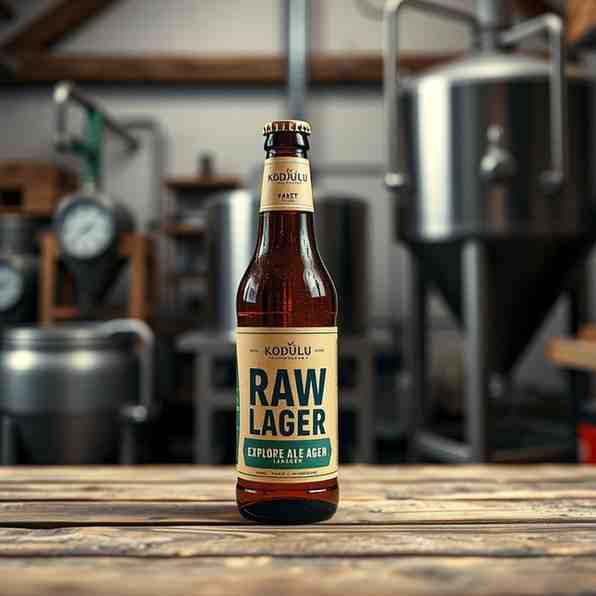
Hey there, fellow craft beer explorer! If your palate is always on the hunt for something truly unique, something that dances between the rustic charm of saisons, the hazy allure of farmhouse ales, and the pure, unfiltered joy of traditional brewing, then you're in for a treat. Get ready to meet Koduõlu (pronounced "koh-doo-oh-loo"), Estonia's ancient farmhouse raw ale that's unlike any bottled IPA beer or best pilsner beer you've ever had.
Forget what you think you know about conventional brewing. Koduõlu is a delicious, no-boil wonder that offers a fascinating glimpse into brewing history and a truly distinctive flavor profile. It's a sweetish, full-bodied brew with low carbonation, a hint of juniper, and a signature banana aroma, often hitting a robust 6–8% ABV—making it a contender for those seeking beer with high alcohol content USA.
In this guide, we'll give you a full style snapshot of Koduõlu, comparing it to other popular styles like craft lager beer and IPAs, and then we'll dive straight into one proven 5-gallon recipe so you can brew this remarkable beer right in your own home. Let's get brewing!
Ingredients
Directions
- Day -1: Preparation
- Optional Yeast Starter: If using liquid yeast, prepare a starter 24-36 hours in advance according to yeast manufacturer's instructions.
- Optional Blackcurrant Leaf Prep: If using, rinse 10-15 fresh blackcurrant leaves and set aside. These can be added to the fermenter for a subtle fruity note.
- Brew Day: The No-Boil Method
- Prep Juniper in the Mash Tun:
- Thoroughly clean and sanitize your mash tun (cooler mash tun or BIAB bag in a kettle).
- Line the bottom of your mash tun with about half of the crushed juniper branches. This acts as a natural filter bed.
- Thick Mash:
- Heat 4 gallons (15.1 liters) of water to approximately 170°F (77°C).
- Add the Vienna malt to your mash tun.
- Slowly pour the hot water over the grain, stirring thoroughly to avoid dough balls. Aim for a thick mash consistency.
- Target a mash temperature of 160°F (71°C). Adjust with small additions of hot or cold water as needed.
- Insulate your mash tun well (wrap in blankets, etc.) to maintain temperature. Mash for 90 minutes.
- Make Hop Tea:
- While mashing, prepare your hop tea. In a small pot, bring 1 quart (1 liter) of water to a boil.
- Add the 1 oz Saaz hops and the 0.5 oz sweet gale (if using) to the boiling water.
- Boil for 10-15 minutes to extract bitterness and aromatics. This hop tea will provide the bitterness usually achieved by boiling the wort.
- After boiling, strain the hop solids and sweet gale out, retaining the liquid. Set aside.
- Juniper-Infused Sparge:
- After the 90-minute mash, slowly add the remaining half of your crushed juniper branches on top of the grain bed.
- Heat another 2.5 gallons (9.5 liters) of water to 170°F (77°C) for sparging.
- Slowly recirculate the first runnings until clear. Then, begin to collect your wort into a sanitized fermenter.
- As you sparge, slowly add the hot sparge water over the grain bed, ensuring an even distribution. Aim to collect approximately 5.5 gallons (20.8 liters) of wort.
- Troubleshooting Tip: If runoff is slow due to the thick mash, gently stir the top layer of the grain bed, or use a mash paddle to clear any clogs at the bottom of the tun.
- Oxygenate, Cool, & Pitch:
- Once you've collected your wort, stir vigorously or use an aeration stone to oxygenate it. This is crucial for healthy yeast fermentation.
- Rapidly cool the wort to your target fermentation temperature of 68°F (20°C). An immersion chiller is ideal, or you can place the fermenter in an ice bath.
- Once cooled, pitch your chosen yeast. If using blackcurrant leaves, add them now. Securely seal your fermenter with an airlock.
- Fermentation:
- Maintain Temperature: Keep your fermenter at a consistent 68°F (20°C). This temperature helps achieve the desired ester profile (banana notes) from the yeast.
- Observe & Wait: Fermentation for Koduõlu is typically fast, often completing within ~72 hours (3 days). You'll see active bubbling in your airlock, which will slow down as fermentation finishes.
- Packaging:
- Kegging (Primary Path): For best results and to maintain the traditional low carbonation, keg your Koduõlu. Transfer the fermented beer to a sanitized keg. Lightly carbonate using a spunding valve (to capture fermentation CO2) or force carbonate to a low volume (e.g., 1.0-1.5 volumes of CO2).
- Bottling (Careful Note): If bottling, ensure your bottles are meticulously sanitized. Prime with a very small amount of priming sugar (e.g., 20-30g dextrose for 5 gallons) to achieve very light carbonation, as traditional Koduõlu is not highly carbonated. Be mindful of potential over-carbonation if using too much sugar. Bottle condition for 1-2 weeks at room temperature before chilling.
You may also like



Hey there! I’m just someone who seriously loves good food and believes that cooking doesn’t have to be complicated to be amazing. Whether it’s a quick weeknight dinner or a cozy weekend meal, I’m all about sharing easy, tasty recipes that actually work.