
Nasi Lemak Recipe - Malaysian Coconut Rice Today
Nasi Lemak Recipe - Malaysian Coconut Rice Today
- Serves: 4 People
- Prepare Time: 25 minutes
- Cooking Time: 25 minutes
- Calories: -
- Difficulty: Medium
Welcome to the ultimate guide to Nasi Lemak, Malaysia’s beloved national dish! This isn't just any rice dish; it's a symphony of flavors and textures, featuring fragrant coconut rice, a spicy-sweet sambal, and an array of crispy, savory toppings. If you've ever wanted to master this iconic Malaysian delight in your own kitchen, you're in the right place.
We’ve cracked the code to making an authentic Nasi Lemak recipe that’s perfectly doable for US home cooks. Forget specialty equipment or hard-to-find ingredients – we’ll show you how to achieve that signature fluffy coconut rice and a perfectly balanced sambal tumis using real aromatics and traditional techniques. Get ready to impress your taste buds and transport yourself to the vibrant streets of Malaysia with every delicious bite!
Ingredients
Directions
- Start the Coconut Rice (Stovetop Method) First, let's get that fragrant coconut rice going! Rinse your jasmine rice under cold water until the water runs mostly clear. This removes excess starch, preventing mushiness. In a medium pot with a tight-fitting lid, combine the rinsed rice, full-fat coconut milk (or cream + water), knotted pandan leaves, bruised lemongrass (if using), and salt. Give it a gentle stir.
- Bring the mixture to a gentle boil over medium heat. Once it starts bubbling, immediately reduce the heat to the lowest setting, cover the pot tightly, and cook for 15-18 minutes, or until all the liquid is absorbed.
- Once cooked, turn off the heat but do not lift the lid. Let the rice rest, covered, for a non-negotiable 10 minutes. This steaming period is crucial for perfect, separate grains. After resting, gently fluff the rice with a fork. You're looking for separate, tender grains with a beautiful coconut aroma, not wet or greasy.
- Make the Sambal Base While the rice is cooking, prepare your sambal base. If using dried chiles, soak them in hot water for 15-20 minutes to soften. Drain well. In a blender or food processor, combine the softened chiles (or chili paste), shallots/onion, and garlic. Blend until you have a textured paste – it shouldn't be completely smooth; a little texture is good. If using shrimp paste (belacan), add a tiny amount now.
- Cook the Sambal (Tumis)
- Heat the neutral oil in a nonstick or stainless skillet over medium-low heat. Add your sambal paste and cook, stirring frequently, for about 8-10 minutes. The paste will darken and smell fragrant.
- Now, add the tamarind paste (or prepared tamarind liquid), palm sugar, and salt. Continue to cook, stirring often, for another 5-7 minutes. The sambal should deepen in color, become glossy, and you'll notice the oil starting to separate at the edges. This "tumis" process is key – it smells "fried" and sweet-spicy, not raw or onion-y. Taste and adjust for salt, sweetness, or tanginess if needed.
- Crisp the Ikan Bilis + Warm the Peanuts Using the same skillet (or a clean one), heat a tablespoon of oil over medium heat. Add the rinsed and patted-dry dried anchovies (ikan bilis) in a single layer. Pan-fry them, stirring occasionally, for 3-5 minutes until they are golden brown and wonderfully crisp. Don't overcrowd the pan; cook in batches if necessary. Remove with a slotted spoon and drain thoroughly on paper towels. They should stay crisp after cooling for a minute.
- In the same pan, add the roasted peanuts and warm them briefly for about 1-2 minutes, just to enhance their flavor and crunch. Remove from heat.
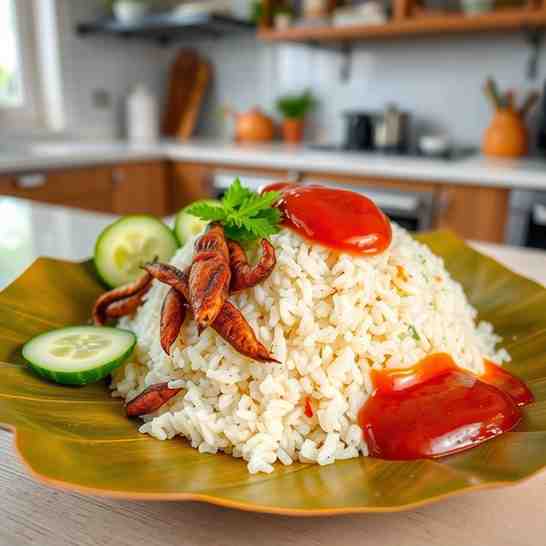
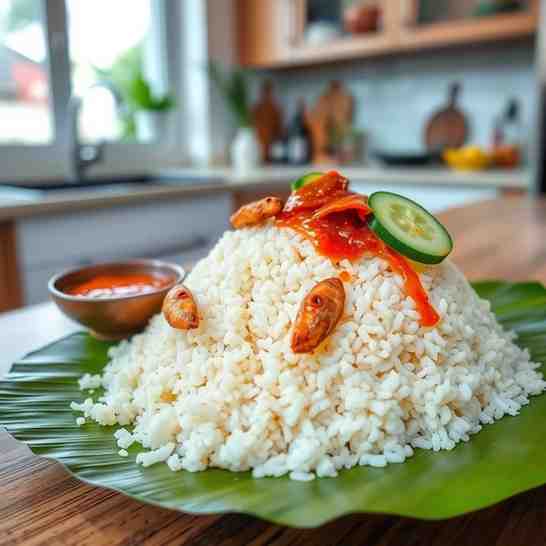
- Assemble the Plate Now for the best part – assembly! Spoon a generous portion of the fragrant coconut rice into the center of your plate. Add a dollop of the rich, spicy sambal tumis on the side. Arrange a handful of the crispy ikan bilis and warm peanuts next to it. Finish your plate with fresh cucumber slices and a halved hard-boiled egg. For an extra touch of authenticity, you can line your plate with a banana leaf before assembling. Enjoy your homemade Nasi Lemak!
Nasi Lemak Recipe - Malaysian Coconut Rice Today

- Serves: 4 People
- Prepare Time: 25 minutes
- Cooking Time: 25 minutes
- Calories: -
- Difficulty: Medium
Welcome to the ultimate guide to Nasi Lemak, Malaysia’s beloved national dish! This isn't just any rice dish; it's a symphony of flavors and textures, featuring fragrant coconut rice, a spicy-sweet sambal, and an array of crispy, savory toppings. If you've ever wanted to master this iconic Malaysian delight in your own kitchen, you're in the right place.
We’ve cracked the code to making an authentic Nasi Lemak recipe that’s perfectly doable for US home cooks. Forget specialty equipment or hard-to-find ingredients – we’ll show you how to achieve that signature fluffy coconut rice and a perfectly balanced sambal tumis using real aromatics and traditional techniques. Get ready to impress your taste buds and transport yourself to the vibrant streets of Malaysia with every delicious bite!
Ingredients
Directions
- Start the Coconut Rice (Stovetop Method) First, let's get that fragrant coconut rice going! Rinse your jasmine rice under cold water until the water runs mostly clear. This removes excess starch, preventing mushiness. In a medium pot with a tight-fitting lid, combine the rinsed rice, full-fat coconut milk (or cream + water), knotted pandan leaves, bruised lemongrass (if using), and salt. Give it a gentle stir.
- Bring the mixture to a gentle boil over medium heat. Once it starts bubbling, immediately reduce the heat to the lowest setting, cover the pot tightly, and cook for 15-18 minutes, or until all the liquid is absorbed.
- Once cooked, turn off the heat but do not lift the lid. Let the rice rest, covered, for a non-negotiable 10 minutes. This steaming period is crucial for perfect, separate grains. After resting, gently fluff the rice with a fork. You're looking for separate, tender grains with a beautiful coconut aroma, not wet or greasy.
- Make the Sambal Base While the rice is cooking, prepare your sambal base. If using dried chiles, soak them in hot water for 15-20 minutes to soften. Drain well. In a blender or food processor, combine the softened chiles (or chili paste), shallots/onion, and garlic. Blend until you have a textured paste – it shouldn't be completely smooth; a little texture is good. If using shrimp paste (belacan), add a tiny amount now.
- Cook the Sambal (Tumis)
- Heat the neutral oil in a nonstick or stainless skillet over medium-low heat. Add your sambal paste and cook, stirring frequently, for about 8-10 minutes. The paste will darken and smell fragrant.
- Now, add the tamarind paste (or prepared tamarind liquid), palm sugar, and salt. Continue to cook, stirring often, for another 5-7 minutes. The sambal should deepen in color, become glossy, and you'll notice the oil starting to separate at the edges. This "tumis" process is key – it smells "fried" and sweet-spicy, not raw or onion-y. Taste and adjust for salt, sweetness, or tanginess if needed.
- Crisp the Ikan Bilis + Warm the Peanuts Using the same skillet (or a clean one), heat a tablespoon of oil over medium heat. Add the rinsed and patted-dry dried anchovies (ikan bilis) in a single layer. Pan-fry them, stirring occasionally, for 3-5 minutes until they are golden brown and wonderfully crisp. Don't overcrowd the pan; cook in batches if necessary. Remove with a slotted spoon and drain thoroughly on paper towels. They should stay crisp after cooling for a minute.
- In the same pan, add the roasted peanuts and warm them briefly for about 1-2 minutes, just to enhance their flavor and crunch. Remove from heat.
- Assemble the Plate Now for the best part – assembly! Spoon a generous portion of the fragrant coconut rice into the center of your plate. Add a dollop of the rich, spicy sambal tumis on the side. Arrange a handful of the crispy ikan bilis and warm peanuts next to it. Finish your plate with fresh cucumber slices and a halved hard-boiled egg. For an extra touch of authenticity, you can line your plate with a banana leaf before assembling. Enjoy your homemade Nasi Lemak!
You may also like




Hey there! I’m just someone who seriously loves good food and believes that cooking doesn’t have to be complicated to be amazing. Whether it’s a quick weeknight dinner or a cozy weekend meal, I’m all about sharing easy, tasty recipes that actually work.