
Pounded Yam (Kondolee) - Sweet Yam Recipe
Pounded Yam (Kondolee) - Sweet Yam Recipe
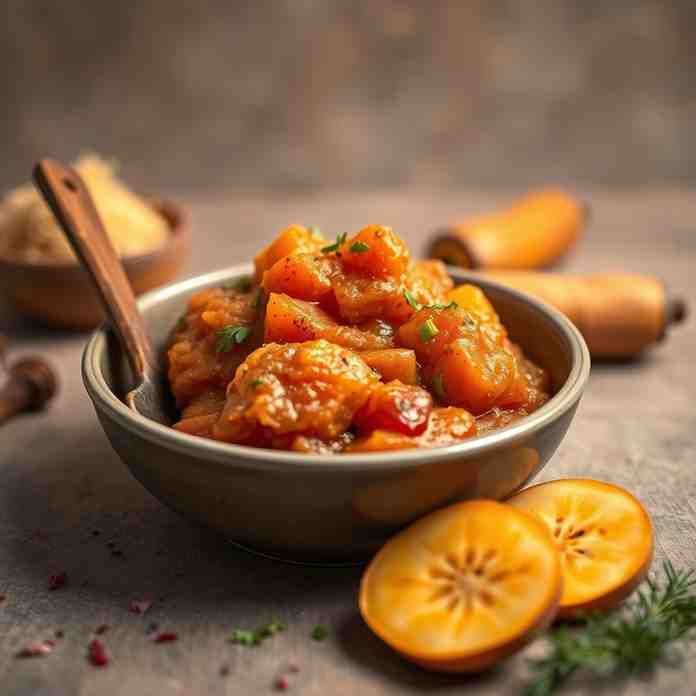
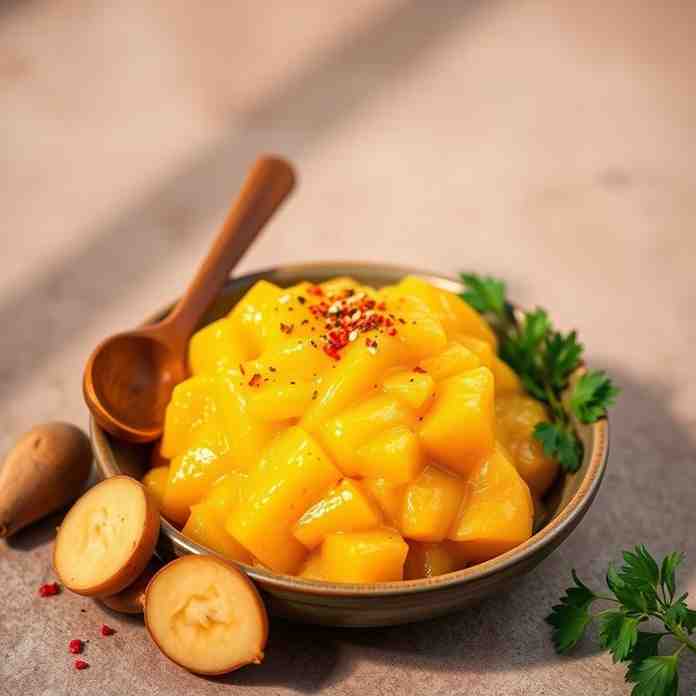
- Serves: 4 People
- Prepare Time: 15 minutes
- Cooking Time: 25 minutes
- Calories: -
- Difficulty: Medium
Ever dipped into a hearty West African soup and wondered about that smooth, dough-like accompaniment? Chances are, you experienced the magic of Kondolee, also known as Pounded Yam or Iyan! This beloved ``west african food`` is the ultimate "swallow," perfect for soaking up the rich flavors of your favorite stews and soups. While it might seem intimidating to make, especially if you're looking for a reliable ``sweet yam recipe`` that works with yams from your local US store, you've come to the right place. We're here to share the single, definitive guide to achieving perfectly smooth, lump-free ``Kondolee`` every single time. Get ready to explore one of the most cherished ``african food recipes`` and elevate your ``african cuisine recipes`` game!
Ingredients
Directions
- Peel, Trim, and Cut the Yam Carefully peel the tough skin from the yam, always peeling away from your body and hands for safety. Trim off any bruised or discolored spots. Once peeled, cut the yam into uniform chunks, roughly 1.5 to 2 inches in size. This ensures even cooking.
- Rinse and Hold in Water Place the cut yam pieces into a bowl of cold water immediately after cutting. This simple step prevents the yam from browning due to oxidation while you prepare for boiling. Keep them submerged until you're ready to cook.
- Boil Until Truly Fork-Tender Drain the yam chunks and transfer them to a medium-sized pot. Add enough fresh water to just barely cover the yam pieces. Bring the water to a rolling boil, then reduce the heat to a simmer, cover, and cook for 20-25 minutes, or until the yam is completely fork-tender. You should be able to easily pierce the center of a yam piece with no resistance.
- Drain Well and Reserve Hot Cooking Water Once the yam is cooked, carefully drain it using a colander. Important: Reserve about 1/2 cup of the hot cooking water. This starchy water is your secret weapon for achieving the perfect smooth and stretchy texture during processing.
- Process While the Yam Is Hot Immediately transfer the hot yam chunks to a food processor (or a very strong blender). If your processor is small, work in batches to avoid overcrowding. Pulse the yam, scraping down the sides with a spoon or scraper as needed. Gradually add the reserved hot cooking water, 1 tablespoon at a time, while continuing to pulse and process. The goal is to achieve a smooth, elastic, and slightly stretchy dough. This could take a few minutes.
- Finish and Shape Once the pounded yam is smooth and lump-free, you can give it a final quick knead with a spoon or wet hands to ensure a perfectly uniform surface. To prevent a dry skin from forming, immediately wrap the pounded yam tightly in plastic wrap or transfer it to a serving bowl and cover it with plastic wrap or parchment paper, pressing it directly onto the surface.
Pounded Yam (Kondolee) - Sweet Yam Recipe
---Sweet-Yam-Recipe.jpg)
- Serves: 4 People
- Prepare Time: 15 minutes
- Cooking Time: 25 minutes
- Calories: -
- Difficulty: Medium
Ever dipped into a hearty West African soup and wondered about that smooth, dough-like accompaniment? Chances are, you experienced the magic of Kondolee, also known as Pounded Yam or Iyan! This beloved ``west african food`` is the ultimate "swallow," perfect for soaking up the rich flavors of your favorite stews and soups. While it might seem intimidating to make, especially if you're looking for a reliable ``sweet yam recipe`` that works with yams from your local US store, you've come to the right place. We're here to share the single, definitive guide to achieving perfectly smooth, lump-free ``Kondolee`` every single time. Get ready to explore one of the most cherished ``african food recipes`` and elevate your ``african cuisine recipes`` game!
Ingredients
Directions
- Peel, Trim, and Cut the Yam Carefully peel the tough skin from the yam, always peeling away from your body and hands for safety. Trim off any bruised or discolored spots. Once peeled, cut the yam into uniform chunks, roughly 1.5 to 2 inches in size. This ensures even cooking.
- Rinse and Hold in Water Place the cut yam pieces into a bowl of cold water immediately after cutting. This simple step prevents the yam from browning due to oxidation while you prepare for boiling. Keep them submerged until you're ready to cook.
- Boil Until Truly Fork-Tender Drain the yam chunks and transfer them to a medium-sized pot. Add enough fresh water to just barely cover the yam pieces. Bring the water to a rolling boil, then reduce the heat to a simmer, cover, and cook for 20-25 minutes, or until the yam is completely fork-tender. You should be able to easily pierce the center of a yam piece with no resistance.
- Drain Well and Reserve Hot Cooking Water Once the yam is cooked, carefully drain it using a colander. Important: Reserve about 1/2 cup of the hot cooking water. This starchy water is your secret weapon for achieving the perfect smooth and stretchy texture during processing.
- Process While the Yam Is Hot Immediately transfer the hot yam chunks to a food processor (or a very strong blender). If your processor is small, work in batches to avoid overcrowding. Pulse the yam, scraping down the sides with a spoon or scraper as needed. Gradually add the reserved hot cooking water, 1 tablespoon at a time, while continuing to pulse and process. The goal is to achieve a smooth, elastic, and slightly stretchy dough. This could take a few minutes.
- Finish and Shape Once the pounded yam is smooth and lump-free, you can give it a final quick knead with a spoon or wet hands to ensure a perfectly uniform surface. To prevent a dry skin from forming, immediately wrap the pounded yam tightly in plastic wrap or transfer it to a serving bowl and cover it with plastic wrap or parchment paper, pressing it directly onto the surface.
You may also like



Hey there! I’m just someone who seriously loves good food and believes that cooking doesn’t have to be complicated to be amazing. Whether it’s a quick weeknight dinner or a cozy weekend meal, I’m all about sharing easy, tasty recipes that actually work.